

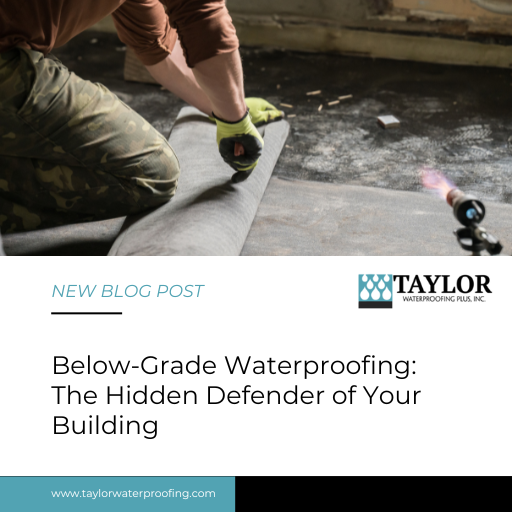
Below-Grade Waterproofing: The Hidden Defender of Your Building
Introduction
Many property owners focus on visible signs of water damage—stains, mold, or cracks—but the most serious threats often originate below ground. Below-grade waterproofing solutions protect against groundwater intrusion, soil pressure, and foundation deterioration before problems appear above the surface. In Houston, with its high water tables and shifting soils, these systems are essential to safeguarding any structure.
What is Below-Grade Waterproofing?
Below-grade waterproofing refers to techniques used to shield parts of a building that sit beneath the surface, including basements, crawl spaces, parking garages, and foundation walls. Soil naturally holds water, which can seep into a building if foundations aren’t properly sealed or insulated. Without protection, even minor seepage can lead to major structural and health issues over time.
Common Below-Grade Challenges in Houston
Houston’s climate and soil conditions create unique challenges for below-grade structures:
- Hydrostatic pressure from rising groundwater
- Poorly compacted backfill, which channels water toward foundations
- Inadequate drainage systems
- Aging or missing waterproofing membranes
These conditions make professional below-grade waterproofing an essential investment for long-term building stability.
Types of Below-Grade Waterproofing Solutions
Modern waterproofing solutions are tailored to meet the needs of different structures:
- Sheet membranes: Durable barriers applied to exterior walls to block water entry.
- Liquid-applied membranes: Seamless, flexible coatings that adapt to irregular surfaces.
- Drainage boards: Redirect water away from foundation walls to prevent buildup.
- Interior sealants: Secondary protection for extreme moisture conditions.
Benefits Beyond the Basement
A properly waterproofed foundation impacts the entire building:
- Reduces wall cracking and structural stress
- Prevents mold and mildew growth
- Enhances HVAC efficiency
- Improves air quality and occupant comfort
How It Works with Other Preservation Services
Below-grade waterproofing is most effective when integrated with masonry repair and sealant systems. For older or historic buildings, this combination prevents rising moisture from damaging upper walls, floors, and finishes, creating a full-spectrum defense against water intrusion.
Conclusion
While below-grade waterproofing operates out of sight, its role is vital. Houston’s weather and soil conditions demand strong, proactive foundation protection for both modern and historic properties. From high-rises and schools to heritage landmarks, investing in these solutions ensures the structures above remain safe, stable, and dry.
Protect your building from the ground up—contact Taylor Waterproofing today to learn about comprehensive below-grade solutions.
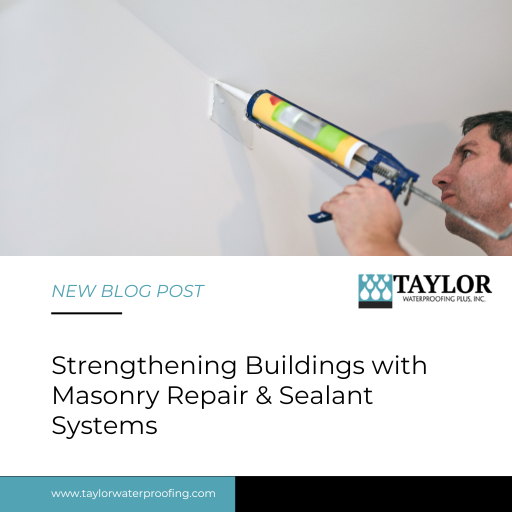
Strengthening Buildings with Masonry Repair & Sealant Systems
Introduction
Brick, stone, and masonry give buildings their timeless strength and appeal. But even the most solid walls eventually show signs of wear. Years of harsh weather—rain, heat, and seasonal temperature changes—create cracks, gaps, and surface erosion. That’s why masonry repair and sealant systems are essential. They don’t just bring back curb appeal—they guard against moisture infiltration and protect the structure for the long term.
What Causes Masonry to Break Down?
Masonry isn’t indestructible. With age and exposure, certain factors accelerate deterioration:
- Materials losing flexibility as they age
- Incompatible products used in earlier repairs
- Expansion and contraction stressing the joints
- Groundwater seeping through the foundation
- Flashing systems wearing out over time
Without intervention, these small problems worsen, allowing water to penetrate and compromise the building’s envelope.
What Masonry Repair & Sealant Systems Provide
Comprehensive repair goes well beyond filling in cracks. The goal is to strengthen and seal the building in ways that extend its life. Typical services include:
- Repointing joints with mortar designed to match the original composition
- Sealing control joints to reduce the risk of expansion cracks
- Repairing visible fractures with high-performance fillers
- Applying protective sealants to block air and water intrusion
- Using elastomeric coatings that flex with the surface while remaining breathable
Tackling Water at the Foundation
Many masonry issues begin underground, where water pressure pushes against foundation walls. To prevent these hidden threats, experts often combine masonry work with below-grade waterproofing—solutions like drainage panels or sheet membranes that redirect water away before it can reach the structure.
Case in Point: A Houston Municipal Property
One municipal facility in Houston faced serious basement flooding and stone deterioration. The solution involved a two-part strategy: reinforcing the vertical walls with masonry repair and sealant systems, and installing below-grade waterproofing around the foundation. This integrated approach kept the structure dry and stable, protecting both its appearance and integrity.
Special Care for Historic Masonry
Older buildings require extra caution. Using the wrong materials can cause lasting damage—for example, Portland cement on historic brick or stone often leads to cracking. Instead, preservation calls for lime-based mortars and breathable sealants that let moisture escape while keeping water out. For historic properties, this tailored method of waterproofing in Houston is a vital part of keeping the city’s heritage intact.
Conclusion
Masonry repair and sealant systems are a powerful combination of protection and preservation. They reinforce the structure, improve resilience, and help prevent costly damage caused by moisture. Whether it’s a commercial complex, a civic building, or a historic landmark, pairing these services with below-grade waterproofing creates long-lasting defense. With expert care, Houston properties can remain strong and secure for decades to come.
Commercial Waterproofing Services: A Must for Property Owners
Introduction
Managing a commercial property comes with no shortage of responsibilities, and protecting the building’s envelope is one of the most critical. In Houston’s hot, humid, and rainy climate, commercial waterproofing services are not just an upgrade—they’re a necessity. A strong waterproofing strategy can be the deciding factor between cost-effective preventive maintenance and sudden, costly structural failures.
Why Waterproofing Matters for Commercial Buildings
Unchecked water intrusion can lead to far more than surface damage. The consequences include mold growth, corroded materials, compromised structural elements, and potential building code violations. For properties that serve as offices, retail centers, or industrial facilities, the risks are even greater—affecting not just the building, but also tenants, employees, and valuable assets. Waterproofing provides both prevention and long-term durability, ensuring consistent performance.
What Commercial Waterproofing Services Include
Professional services cover a wide range of protective measures designed to meet the specific needs of each property. Common solutions include:
- Surface coatings: Elastomeric or acrylic coatings that protect exterior walls and roofs.
- Sealant installation: Applied to windows, expansion joints, and penetrations for watertight protection.
- Foundation & basement waterproofing: Below-grade systems that prevent groundwater infiltration.
- Roof waterproofing: Membranes and coatings that stop ponding and leakage.
- Masonry repair & sealant systems: Replacing deteriorated mortar, adding flexible sealants, and applying breathable barriers for lasting defense.
Warning Signs Your Property Needs Waterproofing
Early detection is key to avoiding extensive damage. Common indicators that a building may require waterproofing include:
- Water stains on ceilings or interior walls
- Musty odors from mold or mildew
- Paint peeling or plaster bubbling
- Cracks visible in walls or foundations
- White, chalky efflorescence on masonry surfaces
Houston’s Weather Challenges
Houston averages over 50 inches of rainfall per year and experiences high humidity nearly year-round. These conditions create constant pressure on building exteriors and foundations. Because of this, commercial waterproofing in Houston must be comprehensive, durable, and specifically adapted to the city’s unique climate.
Best Practices for Long-Term Protection
To ensure maximum effectiveness, property owners and managers should follow proven maintenance and inspection practices:
- Schedule annual inspections with waterproofing experts
- Use historically compatible materials when dealing with older buildings
- Apply breathable sealants to allow vapor escape without water intrusion
- Install or improve foundation drainage systems
- Prioritize regular roof maintenance to prevent leaks and ponding
Conclusion
In a city like Houston, waterproofing is not optional—it’s essential. From modern office towers to historic warehouses, every property benefits from a professional waterproofing plan. By investing in commercial waterproofing services, you not only save on costly repairs but also protect the people and businesses who depend on your building. Partner with a qualified provider to explore comprehensive solutions, including masonry repair, sealant systems, and below-grade waterproofing, to safeguard your property for the long term.

Protecting Houston’s Historic Architecture with Waterproofing
Introduction
Houston’s architectural landscape is filled with character and history. From grand municipal landmarks to century-old brick warehouses, each building tells a story of the city’s growth. Yet, Houston’s humid climate, heavy rainfall, and seasonal storms pose a constant risk to these historic structures. One of the most effective yet often neglected methods of preserving them is historic building waterproofing in Houston. Without it, masonry weakens, interiors deteriorate, and the cost of restoration rises dramatically.
Why Waterproofing is Crucial for Historic Buildings in Houston
Water intrusion is one of the greatest threats to older buildings. Persistent rain, humidity, and groundwater seepage gradually erode historic materials. Traditional brickwork, limestone exteriors, and lime-based mortars—common in Houston’s heritage buildings—are highly porous and prone to damage. Effective historic waterproofing requires a careful balance: preserving the authenticity of original construction while strengthening it with proven protective methods.
Moisture Challenges in Older Structures
Most of Houston’s historic buildings were built before modern codes and waterproofing standards existed. As a result, they often face:
- Crumbling or cracked mortar joints
- Worn or outdated flashing and sealants
- Poor drainage at the foundation level
- Unprotected masonry and exposed brickwork
- Roof membranes that have deteriorated over time
Addressing these issues with professional waterproofing services is essential to maintain both structural integrity and long-term preservation.
Modern Solutions for Historic Preservation
Preservation doesn’t mean rejecting innovation—it means applying modern techniques in a way that honors tradition. Today’s commercial waterproofing experts use advanced methods that enhance durability while respecting original designs. Key techniques include:
- Breathable sealants: Prevent water intrusion while allowing moisture vapor to escape.
- Elastomeric coatings: UV-resistant, flexible barriers that protect masonry surfaces.
- Sheet membrane systems: Durable below-grade solutions that guard foundations and basements.
- Flashing and repointing: Replacing outdated flashing systems and restoring mortar with historically accurate mixtures.
Case Example: Reviving a 1920s Warehouse
One notable example is a 1920s brick warehouse in Houston’s historic district. Years of water intrusion caused leaks and crumbling masonry. Restoration efforts included lime-based mortar repointing, applying a breathable elastomeric coating, and installing modern drainage at the foundation. The project’s success highlighted how strategic historic building waterproofing can protect and extend the life of heritage structures.
The Importance of Ongoing Maintenance
Waterproofing is not a one-time effort. Regular upkeep is necessary to ensure long-term protection. Building owners and managers should schedule annual inspections that include:
- Reviewing sealant condition
- Checking for efflorescence, mold, or staining
- Assessing roof drainage and gutter performance
Routine maintenance prevents minor problems from becoming costly repairs.
Conclusion
Safeguarding Houston’s architectural treasures requires proactive care. Historic building waterproofing provides the balance of tradition and innovation necessary to keep these landmarks standing strong for future generations. If you manage or own a historic property, now is the time to invest in professional commercial waterproofing services to protect its legacy and value.