
BLOG

The True Cost of Ignoring Waterproofing Maintenance

The True Cost of Ignoring Waterproofing Maintenance

Introduction

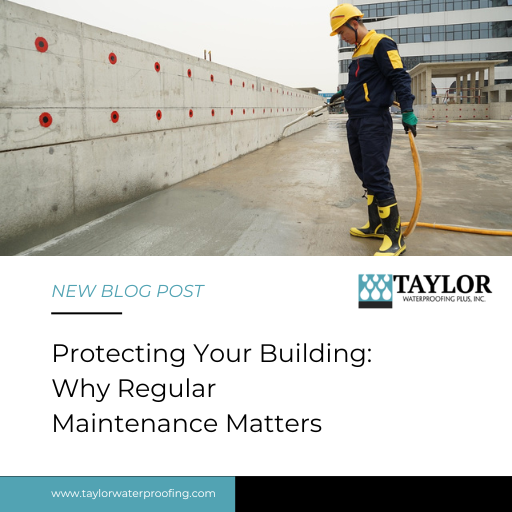
Water damage is one of the most common threats to any building, whether it’s a historical landmark, a financial institution, a healthcare facility, or a commercial property. While minor leaks or damp spots may seem harmless at first, ignoring them can lead to severe structural damage, costly repairs, and reduced building value. At Taylor Waterproofing, we specialize in building preservation, helping property owners protect their investments with expert waterproofing and restoration services.

Why Regular Waterproofing Maintenance Matters

Buildings are constantly exposed to water, salt, physical stress, and other environmental factors. Over time, these elements can cause:

  • Corrosion of structural components
  • Cracks in concrete and masonry
  • Rust stains on metal elements
  • Water infiltration into interiors
  • Degradation of sealants and coatings

Without proper maintenance, what starts as a minor issue can evolve into a major problem requiring expensive repairs or full-scale restoration.

Signs Your Building May Need Waterproofing Maintenance

Knowing the early warning signs can save both time and money:

  • Visible cracks in walls, ceilings, or balconies
  • Rust stains or efflorescence on brick, stone, or tile surfaces
  • Persistent water stains or dampness indoors
  • Crumbling concrete or mortar joints
  • Leaks around windows, doors, or roofing

How Taylor Waterproofing Can Help

Our team provides comprehensive waterproofing and building restoration solutions, including:

  • Balcony and roof repairs
  • Below-grade waterproofing and damp proofing
  • Brick, stone, tile, and terra cotta restoration
  • Structural concrete repair and epoxy flooring
  • Sealant removal and replacement
  • Water testing and waterproofing system analysis

By addressing issues early, we restore structural integrity, extend building lifespan, and maintain aesthetic appeal, ensuring your property remains safe, functional, and valuable.

Conclusion

Investing in regular waterproofing maintenance is not just about preventing leaks—it’s about protecting your building’s value, safety, and longevity. At Taylor Waterproofing, we combine industry expertise with advanced techniques to provide solutions tailored to your building’s unique needs. Don’t wait for minor problems to become costly repairs—schedule a consultation today and safeguard your property for the future.

Ready to protect your building? Contact Taylor Waterproofing at (713) 691-1430 or email info25@taylorwaterproofing.com to schedule your waterproofing system analysis or restoration consultation.


Read More
Below-Grade Waterproofing Houston

Below-Grade Waterproofing: The Hidden Defender of Your Building

Introduction

Many property owners focus on visible signs of water damage—stains, mold, or cracks—but the most serious threats often originate below ground. Below-grade waterproofing solutions protect against groundwater intrusion, soil pressure, and foundation deterioration before problems appear above the surface. In Houston, with its high water tables and shifting soils, these systems are essential to safeguarding any structure.

What is Below-Grade Waterproofing?

Below-grade waterproofing refers to techniques used to shield parts of a building that sit beneath the surface, including basements, crawl spaces, parking garages, and foundation walls. Soil naturally holds water, which can seep into a building if foundations aren’t properly sealed or insulated. Without protection, even minor seepage can lead to major structural and health issues over time.

Common Below-Grade Challenges in Houston

Houston’s climate and soil conditions create unique challenges for below-grade structures:

  • Hydrostatic pressure from rising groundwater
  • Poorly compacted backfill, which channels water toward foundations
  • Inadequate drainage systems
  • Aging or missing waterproofing membranes

These conditions make professional below-grade waterproofing an essential investment for long-term building stability.

Types of Below-Grade Waterproofing Solutions

Modern waterproofing solutions are tailored to meet the needs of different structures:

  • Sheet membranes: Durable barriers applied to exterior walls to block water entry.
  • Liquid-applied membranes: Seamless, flexible coatings that adapt to irregular surfaces.
  • Drainage boards: Redirect water away from foundation walls to prevent buildup.
  • Interior sealants: Secondary protection for extreme moisture conditions.

Benefits Beyond the Basement

A properly waterproofed foundation impacts the entire building:

  • Reduces wall cracking and structural stress
  • Prevents mold and mildew growth
  • Enhances HVAC efficiency
  • Improves air quality and occupant comfort

How It Works with Other Preservation Services

Below-grade waterproofing is most effective when integrated with masonry repair and sealant systems. For older or historic buildings, this combination prevents rising moisture from damaging upper walls, floors, and finishes, creating a full-spectrum defense against water intrusion.

Conclusion

While below-grade waterproofing operates out of sight, its role is vital. Houston’s weather and soil conditions demand strong, proactive foundation protection for both modern and historic properties. From high-rises and schools to heritage landmarks, investing in these solutions ensures the structures above remain safe, stable, and dry.

Protect your building from the ground up—contact Taylor Waterproofing today to learn about comprehensive below-grade solutions.

Read More

Strengthening Buildings with Masonry Repair & Sealant Systems

Introduction

Brick, stone, and masonry give buildings their timeless strength and appeal. But even the most solid walls eventually show signs of wear. Years of harsh weather—rain, heat, and seasonal temperature changes—create cracks, gaps, and surface erosion. That’s why masonry repair and sealant systems are essential. They don’t just bring back curb appeal—they guard against moisture infiltration and protect the structure for the long term.

What Causes Masonry to Break Down?

Masonry isn’t indestructible. With age and exposure, certain factors accelerate deterioration:

  • Materials losing flexibility as they age
  • Incompatible products used in earlier repairs
  • Expansion and contraction stressing the joints
  • Groundwater seeping through the foundation
  • Flashing systems wearing out over time

Without intervention, these small problems worsen, allowing water to penetrate and compromise the building’s envelope.

What Masonry Repair & Sealant Systems Provide

Comprehensive repair goes well beyond filling in cracks. The goal is to strengthen and seal the building in ways that extend its life. Typical services include:

  • Repointing joints with mortar designed to match the original composition
  • Sealing control joints to reduce the risk of expansion cracks
  • Repairing visible fractures with high-performance fillers
  • Applying protective sealants to block air and water intrusion
  • Using elastomeric coatings that flex with the surface while remaining breathable

Tackling Water at the Foundation

Many masonry issues begin underground, where water pressure pushes against foundation walls. To prevent these hidden threats, experts often combine masonry work with below-grade waterproofing—solutions like drainage panels or sheet membranes that redirect water away before it can reach the structure.

Case in Point: A Houston Municipal Property

One municipal facility in Houston faced serious basement flooding and stone deterioration. The solution involved a two-part strategy: reinforcing the vertical walls with masonry repair and sealant systems, and installing below-grade waterproofing around the foundation. This integrated approach kept the structure dry and stable, protecting both its appearance and integrity.

Special Care for Historic Masonry

Older buildings require extra caution. Using the wrong materials can cause lasting damage—for example, Portland cement on historic brick or stone often leads to cracking. Instead, preservation calls for lime-based mortars and breathable sealants that let moisture escape while keeping water out. For historic properties, this tailored method of waterproofing in Houston is a vital part of keeping the city’s heritage intact.

Conclusion

Masonry repair and sealant systems are a powerful combination of protection and preservation. They reinforce the structure, improve resilience, and help prevent costly damage caused by moisture. Whether it’s a commercial complex, a civic building, or a historic landmark, pairing these services with below-grade waterproofing creates long-lasting defense. With expert care, Houston properties can remain strong and secure for decades to come.

Read More

Commercial Waterproofing Services: A Must for Property Owners

Introduction

Managing a commercial property comes with no shortage of responsibilities, and protecting the building’s envelope is one of the most critical. In Houston’s hot, humid, and rainy climate, commercial waterproofing services are not just an upgrade—they’re a necessity. A strong waterproofing strategy can be the deciding factor between cost-effective preventive maintenance and sudden, costly structural failures.

Why Waterproofing Matters for Commercial Buildings

Unchecked water intrusion can lead to far more than surface damage. The consequences include mold growth, corroded materials, compromised structural elements, and potential building code violations. For properties that serve as offices, retail centers, or industrial facilities, the risks are even greater—affecting not just the building, but also tenants, employees, and valuable assets. Waterproofing provides both prevention and long-term durability, ensuring consistent performance.

What Commercial Waterproofing Services Include

Professional services cover a wide range of protective measures designed to meet the specific needs of each property. Common solutions include:

  • Surface coatings: Elastomeric or acrylic coatings that protect exterior walls and roofs.
  • Sealant installation: Applied to windows, expansion joints, and penetrations for watertight protection.
  • Foundation & basement waterproofing: Below-grade systems that prevent groundwater infiltration.
  • Roof waterproofing: Membranes and coatings that stop ponding and leakage.
  • Masonry repair & sealant systems: Replacing deteriorated mortar, adding flexible sealants, and applying breathable barriers for lasting defense.

Warning Signs Your Property Needs Waterproofing

Early detection is key to avoiding extensive damage. Common indicators that a building may require waterproofing include:

  • Water stains on ceilings or interior walls
  • Musty odors from mold or mildew
  • Paint peeling or plaster bubbling
  • Cracks visible in walls or foundations
  • White, chalky efflorescence on masonry surfaces

Houston’s Weather Challenges

Houston averages over 50 inches of rainfall per year and experiences high humidity nearly year-round. These conditions create constant pressure on building exteriors and foundations. Because of this, commercial waterproofing in Houston must be comprehensive, durable, and specifically adapted to the city’s unique climate.

Best Practices for Long-Term Protection

To ensure maximum effectiveness, property owners and managers should follow proven maintenance and inspection practices:

  • Schedule annual inspections with waterproofing experts
  • Use historically compatible materials when dealing with older buildings
  • Apply breathable sealants to allow vapor escape without water intrusion
  • Install or improve foundation drainage systems
  • Prioritize regular roof maintenance to prevent leaks and ponding

Conclusion

In a city like Houston, waterproofing is not optional—it’s essential. From modern office towers to historic warehouses, every property benefits from a professional waterproofing plan. By investing in commercial waterproofing services, you not only save on costly repairs but also protect the people and businesses who depend on your building. Partner with a qualified provider to explore comprehensive solutions, including masonry repair, sealant systems, and below-grade waterproofing, to safeguard your property for the long term.

Read More

Protecting Houston’s Historic Architecture with Waterproofing

Introduction

Houston’s architectural landscape is filled with character and history. From grand municipal landmarks to century-old brick warehouses, each building tells a story of the city’s growth. Yet, Houston’s humid climate, heavy rainfall, and seasonal storms pose a constant risk to these historic structures. One of the most effective yet often neglected methods of preserving them is historic building waterproofing in Houston. Without it, masonry weakens, interiors deteriorate, and the cost of restoration rises dramatically.

Why Waterproofing is Crucial for Historic Buildings in Houston

Water intrusion is one of the greatest threats to older buildings. Persistent rain, humidity, and groundwater seepage gradually erode historic materials. Traditional brickwork, limestone exteriors, and lime-based mortars—common in Houston’s heritage buildings—are highly porous and prone to damage. Effective historic waterproofing requires a careful balance: preserving the authenticity of original construction while strengthening it with proven protective methods.

Moisture Challenges in Older Structures

Most of Houston’s historic buildings were built before modern codes and waterproofing standards existed. As a result, they often face:

  • Crumbling or cracked mortar joints
  • Worn or outdated flashing and sealants
  • Poor drainage at the foundation level
  • Unprotected masonry and exposed brickwork
  • Roof membranes that have deteriorated over time

Addressing these issues with professional waterproofing services is essential to maintain both structural integrity and long-term preservation.

Modern Solutions for Historic Preservation

Preservation doesn’t mean rejecting innovation—it means applying modern techniques in a way that honors tradition. Today’s commercial waterproofing experts use advanced methods that enhance durability while respecting original designs. Key techniques include:

  • Breathable sealants: Prevent water intrusion while allowing moisture vapor to escape.
  • Elastomeric coatings: UV-resistant, flexible barriers that protect masonry surfaces.
  • Sheet membrane systems: Durable below-grade solutions that guard foundations and basements.
  • Flashing and repointing: Replacing outdated flashing systems and restoring mortar with historically accurate mixtures.

Case Example: Reviving a 1920s Warehouse

One notable example is a 1920s brick warehouse in Houston’s historic district. Years of water intrusion caused leaks and crumbling masonry. Restoration efforts included lime-based mortar repointing, applying a breathable elastomeric coating, and installing modern drainage at the foundation. The project’s success highlighted how strategic historic building waterproofing can protect and extend the life of heritage structures.

The Importance of Ongoing Maintenance

Waterproofing is not a one-time effort. Regular upkeep is necessary to ensure long-term protection. Building owners and managers should schedule annual inspections that include:

  • Reviewing sealant condition
  • Checking for efflorescence, mold, or staining
  • Assessing roof drainage and gutter performance

Routine maintenance prevents minor problems from becoming costly repairs.

Conclusion

Safeguarding Houston’s architectural treasures requires proactive care. Historic building waterproofing provides the balance of tradition and innovation necessary to keep these landmarks standing strong for future generations. If you manage or own a historic property, now is the time to invest in professional commercial waterproofing services to protect its legacy and value.

Read More

Benefits of Elastomeric Coatings

Coatings are an important part of waterproofing a commercial building. Water infiltration causes costly damage and degrades your building’s materials. Applying coatings helps to ensure that your building is protected. Extending the lifespan of your building is just one of the many benefits of elastomeric coatings. 

What are Elastomeric Coatings? 

Elastomeric means that a material or item has elastic or rubber-like properties. Elastomeric coatings are flexible coatings that create a continuous, seamless barrier on the surface of the material you’re applying it to. These coatings are acrylic, silicone, urethane, or polyurethane based, depending on the application. 

Benefits of Elastomeric Coatings for Commercial Buildings 

Creates a Flexible Waterproof Barrier 

Buildings expand and contract over time and with temperature changes. Elastomeric coatings move with the building. Because of these coatings’ elasticity, they can stretch over 300% of their original length without tearing or cracking.    

Protects Against UV Damage and Corrosion 

The benefits of elastomeric coatings go beyond just protecting against water intrusion. They protect against the multiple causes of water infiltration. UV exposure and strong storms can degrade and break down your building’s materials. These coatings are UV and weather resistant. 

Improves Your Building’s Energy Efficiency

Air loss can be a major factor that’s driving up your energy cost. Air can leak out of cracks and gaps. These coatings seal these cracks and prevent air loss. For exterior applications, white coatings can be used to reflect UV rays to help lower how much heat your building absorbs. 

Comes in Different Options to Fit Your Building’s Needs 

There are many different colors and finishes to fit the look you’re trying to achieve. While white and lighter colors are often used to reflect UV rays, there are many colors to choose from. For finishes, you can choose from matte, satin, or textured. 

Elastomeric Coatings Applications 

Acrylic – These types of coatings are durable and highly UV resistant.

Great for: Masonry and Concrete Walls 

Silicone: Most commonly used in areas with high rainfall or areas with a lot of standing water.

Great for: Above-Grade Waterproofing and Exterior Walls

Urethane: This type of elastomeric coating offers excellent chemical resistance. 

Great for: Parking Garages and Industrial Applications 

Polyurethane: These coatings create a strong, resilient barrier that is highly flexible. 

Great for: Expansion Joints and Concrete Decks

The benefits of elastomeric coatings, like UV resistance, increased energy efficiency, and extending the life of your building, protect your investment and lower your maintenance costs. Contact us through our website here to learn more about our waterproofing services, or check out our blog here to learn more about our services.

Read More

Waterproofing Services for Historical Buildings

When working on historical buildings, preservation is key. The goal of waterproofing services for historical buildings is to protect the building without changing the look and feel of the building. At Taylor Waterproofing, we maintain the appearance of the building while protecting its history. 

Why It’s Important to Waterproof Historical Buildings 

Because historical buildings are often older, they can be more susceptible to water damage. Water intrusion can cause the building’s materials to degrade and corrode. This can lead to structural issues and irreversible damage. Waterproofing the building can prevent these issues before they begin, in turn preventing loss of historically significant features and costly repairs. 

Common Issues for Historical Buildings 

When it comes to repairing and waterproofing historical buildings, there are unique challenges you have to take into account. Many of these buildings were built before modern construction techniques and materials, so it’s important to understand how to apply waterproofing solutions properly to preserve the structure. 

Things to consider when waterproofing a historical building:

  • Aging materials 
  • Historical Guidelines 
  • Preserving History / Minimally Invasive Solutions 
  • Types of Exposure 
  • Lack of Modern Systems 

Our Waterproofing Services for Historical Buildings 

Exterior Wall Coatings – These coatings are applied to the exterior walls with rollers like paint. They create a continuous seamless layer that protects the wall from water infiltration. Exterior wall coatings also help the wall from cracking or chipping. These can be applied to concrete, brick, stone, or other masonry surfaces. These coatings come in many colors, styles, and finishes so you can get the exact look you’re wanting. 

Masonry Repairs – If your building already has brick or stone damage, our team can make those repairs before adding a wall coating. This includes cracks, discoloration, chipping, corrosion, and efflorescence. 

Below-Grading Waterproofing (Negative Side) – Water in the soil, especially after a heavy rain, can penetrate your foundation’s concrete, leading to water damage, corrosion, cracks, and structural damage. A waterproof membrane can be applied to the foundation to help mitigate and prevent this damage. 

Deck Coating – These are durable coatings that create a protective layer on commercial decks. They can be applied to parking decks, patios, walkways, and concrete decks. There are many different kinds of deck coatings to meet your goals and desired look.  

Structural Concrete Repair – Overtime, concrete can crack and chip. This can be caused by various reasons such as water damage or high foot traffic. Our team can repair the damage by patching and overlaying or chemical grout injections

Waterproofing a historical building is how you preserve the history and integrity of the building. Contact us through our website here to learn more about our waterproofing services for historical buildings, or check out our blog here to learn more about our services.

Read More

Sealants vs. Coatings: What’s the Difference?

Sealants and coatings are used to protect commercial buildings from water infiltration. Although many people use these terms interchangeably, there are key differences when it comes to sealants vs. coatings. 

What are Sealants?

Sealants are often polyurethane, silicone, acrylic, or a hybrid of these. Once applied, sealants remain flexible and move with the expansion and contraction of the building. They are often used to seal expansion joints, roofs, cracks in concrete, and around windows and door frames. Sealants contribute to the energy efficiency of the building because they seal gaps and reduce air loss. 

What are Coatings?

Coatings are fluid-applied and are often used on large areas, such as parking decks and exterior walls. Coatings create a large, seamless waterproofed membrane that acts as a protective layer. They are made from acrylic, silicone, or polyurethane. They are applied with rollers or brushes or sprayed over the surface. 

What are the Similarities Between Sealants vs. Coatings?

Surface Preparation: Without a clean, dry surface, a sealant or a coating will not adhere properly. 

Purpose: Both sealants and coatings are used to provide waterproof protection and work together to waterproof the building envelope.

Variety of Options: There are many options of both sealants and coatings that are formulated for different applications.

What are the Differences Between Sealants vs. Coatings?

Function: Coatings are used to cover a large surface area, such as a concrete deck, while sealant coverage is more localized, such as caulking around a window frame. 

Replacement Method: When it is time to replace a sealant, old sealant needs to be removed. Oftentimes you can apply an additional layer of coating on the existing coating. 

Lifespan: The lifespan of a sealant or coating depends on many factors, but typically sealants last 5 to 10 years, while coatings will need recoating every 10 to 15 years. 

While there are some differences and similarities between sealants vs. coatings, both play a vital role in protecting commercial buildings from water intrusion and water damage. For the best results, it’s important to hire a professional waterproofing company that understands what product and installation technique will work best for your application. 

Contact us today through our website here or call 713-699-4777 to talk to one of our waterproofing experts about your building’s sealant and coating needs.

Check out our blog here to learn more about the services we offer. 

Read More

Summer Commercial Waterproofing Essentials

Between the high humidity, frequent storms, and extreme heat, the summer can be brutal and take its toll on your waterproofing systems. Now is the time to get prepared and make sure your building is ready for the rising temperatures and increased rainfall. Ensuring your building is equipped with these summer commercial waterproofing essentials will prevent damage and protect your investment. 

Why Commercial Waterproofing is Important During the Summer

High Heat and UV Rays – While the sealants and coatings we use are resistant to UV rays, all sealants and coatings do eventually degrade. If you have older sealants or waterproofing systems in place, it might be time to replace them. UV rays can cause sealants and coatings to dry out and crack. You can especially see this around windows and external wall joints. This can lead to leaks and water infiltration. 

Heavy Rainfall and Thunderstorms – With heavy rainfall comes the risk of leaks and waterproofing systems failing. Strong winds and debris from storms and hurricanes can damage these systems and compromise your building materials. Blocked and poor drainage systems can lead to an excess amount of water pooling around the foundation, walkways, or other concrete components. This can cause the concrete to crack or crumble. 

High Humidity – When moisture sits on building materials for an extended period, it can lead to those materials breaking down and deteriorating. This is especially true for drywall and insulation. High humidity can lead to condensation and excess moisture in and around your building. This can cause metal components to corrode and accelerate the degradation of waterproofing membranes. 

Key Components for Summer Commercial Waterproofing 

Maintenance and Observations – The number one way to prevent water damage and intrusion is to have a professional check over your waterproofing systems. During these observations, our team will check sealants and coatings to ensure they are not peeling or cracked.   

UV-Resistant Sealants and Coatings – Our team uses top-performing and high-quality sealants and coatings, so your building is fully protected. These coatings and sealants are UV-resistant and heat-tolerant, so they are perfect for Houston’s climate. 

Expansion JointsExpansion joints allow the building to expand and contract without causing structural damage. These are often found in concrete slabs, parking garages, and exterior walls. Without proper waterproofing, these can become a point of water intrusion. They need to be sealed with a flexible material that can stand up to high temperatures, UV rays, and high humidity.  

Windows and Doors – Around the perimeter of windows and doors, where the panes meet the glass, can be a point of vulnerability. With higher levels of rainfall and storms in the summer, any cracks or gaps in the waterproof membrane can lead to leaks and significant damage. This can also be a point of air loss, making it harder for your HVAC system to maintain the cool interior temperature. If windows and doors are not properly sealed, you could see a rise in your energy bills.

Concrete Waterproofing – Concrete in parking garages, basements, walkways, decks, balconies, and walls is all at risk of water damage if not properly waterproofed. Water can seep into concrete, causing it to chip and corrode. A liquid waterproof membrane is applied to the surface of the concrete and creates a water-resistant barrier. 

Contact us today through our website here or call 713-699-4777 to talk to one of our waterproofing experts about your building’s waterproofing needs.

Check out our blog here to learn more about the services we offer.

Read More

How to Prevent Damage to External Walls

External walls are your commercial building’s first line of defense against environmental factors and water damage. To prevent damage to external walls, you must ensure that the correct waterproofing measures are in place and that repairs are made promptly. 

What Causes Damage to External Walls? 

UV Rays – If the external walls are not properly protected with a UV-resistant coating or sealant, the UV rays can cause the wall to crack and become brittle. The UV rays can also fade and damage external paint. 

Water Intrusion – Cracks that are not properly sealed can become a point of water intrusion. The water can seep into the building, damaging the interior materials and causing structural damage. 

Debris Buildup – Over time, dirt and other debris can build up on the surface of your external walls. This can not only stain the walls, but also cause them to deteriorate. 

Thermal Movement – It is natural for buildings to expand and contract with temperature changes, and as the building settles. If expansion joints are not correctly installed or fail, this can cause the wall to crack. 

Signs of Water Damage to External Walls

  • Cracks in the Surface of the Wall 
  • Cracks Around Windows and Doors
  • Efflorescence (white, chalky deposits on concrete and brick) 
  • Peeling Paint 
  • Damaged Sealant or Coating
  • Internal Leaks 
  • Unexplained Musty Odors Inside the Building 

Waterproofing External Walls 

Waterproofing Observations – When our team checks a commercial building for water damage, we look at external walls and expansion joints to ensure they are properly waterproofed. We will check the current waterproof membrane and assess if it is still in good condition or if it needs to be replaced. We will also check for cracks or gaps that could be a source of water intrusion. 

UV-Resistant Sealants and Coatings – In climates like Houston, UV-resistant waterproofing systems for exterior use are a must. These sealants and coatings will prevent water infiltration, extend the life of the wall, and help maintain your building’s energy efficiency. 

Seal Cracks – If our team sees any cracks or gaps during the observation, we will apply a flexible polyurethane or elastomeric sealant. This will prevent further damage from occurring. 

Cleanings – Keeping the external walls clean not only enhances the appearance of the building, but also protects the wall as well. Depending on the type of cleaning, this can be done by waterblasting or soft washing. Waterblasting will also prepare the wall for a sealant or coating to be applied if needed. 

Contact us today through our website here or call 713-699-4777 to talk to one of our waterproofing experts about your building’s waterproofing needs.

Check out our blog here to learn more about the services we offer. 

Read More