

How Proper Drainage Supports Commercial Waterproofing Performance
In commercial buildings, water management plays a critical role in waterproofing success. Drainage performance often determines whether rainwater is safely directed away or allowed to accumulate in areas where moisture exposure becomes a long-term risk.
Even the most advanced waterproofing systems depend on proper drainage to perform as intended. When water is unable to flow freely, waterproofing materials remain under constant pressure, increasing the likelihood of deterioration over time. In high-rainfall climates like Houston, effective drainage is one of the most important factors in preserving waterproofing performance.
Understanding Drainage in Waterproofed Commercial Structures
Commercial waterproofing systems are designed to manage water exposure across horizontal and vertical surfaces. Drainage components work in conjunction with waterproofing materials to move water away from protected areas.
Key drainage elements that influence waterproofing performance include:
- Internal Drains
Integrated into waterproofed surfaces to channel water into designated drainage pathways. - Scuppers
Openings that allow excess water to exit through vertical surfaces, serving as overflow relief during heavy rainfall. - Gutters and Downspouts
Direct collected water away from the building envelope to reduce prolonged moisture exposure. - Positive Slope and Tapered Design
Subtle grading that encourages water to flow toward drainage points rather than remaining on waterproofed surfaces.
Each of these elements supports the overall effectiveness of waterproofing systems.
How Drainage Directly Affects Waterproofing Performance
Internal Drains
When internal drains become obstructed, water can accumulate on waterproofed surfaces. Prolonged exposure places continuous stress on waterproofing materials, increasing the risk of premature deterioration.
Scuppers
Scuppers provide an essential backup path for water during intense rain events. When properly functioning, they prevent water from rising to levels that compromise waterproofing transitions and surface details.
Gutters and Downspouts
By directing water away from the building exterior, these components help reduce repeated moisture contact with waterproofed areas and adjacent surfaces.
Positive Slope
Waterproofed surfaces rely on proper slope to prevent stagnation. Areas where water consistently pools may indicate drainage limitations that can affect waterproofing longevity.
What Happens When Drainage Is Inadequate
Standing water on waterproofed surfaces for extended periods accelerates material wear. Over time, this can lead to:
- Increased moisture pressure on waterproofing systems
- Surface deterioration and loss of material performance
- Moisture migration into adjacent building components
- Disruption to interior environments and operations
In areas such as parking structures and pedestrian surfaces, persistent moisture exposure can also affect surface conditions and long-term durability.
Warning Signs That Drainage May Be Affecting Waterproofing
Commercial property managers should be aware of early indicators, including:
- Water remaining on surfaces more than 48 hours after rainfall
- Overflowing scuppers or drainage points
- Visible moisture patterns near drainage areas
- Recurring damp conditions in adjacent spaces
- Debris buildup that restricts water flow
These signs often suggest that waterproofing systems are under unnecessary strain.
Supporting Drainage Through Proper Waterproofing
Waterproofing and drainage must function together. Waterproofing systems are designed to protect surfaces, transitions, and penetrations that are most vulnerable to moisture exposure.
Taylor Waterproofing supports drainage performance through waterproofing-focused solutions such as:
- Seamless, fluid-applied waterproofing systems that protect around drains, penetrations, and transitions
- Traffic-grade waterproofing coatings for areas exposed to vehicles and foot traffic
- Reinforced detailing at vertical and horizontal intersections where water movement is concentrated
By protecting these critical areas, waterproofing systems remain effective even during heavy rain events.
Conclusion
Proper drainage is not separate from waterproofing — it is essential to its success. In Houston’s climate, managing how water moves across waterproofed surfaces is one of the most effective ways to preserve long-term building performance.
A proactive waterproofing strategy that accounts for drainage helps reduce moisture exposure, extend system longevity, and protect commercial assets over time.
Talk With Houston’s Waterproofing Specialists
If you are evaluating waterproofing performance or concerned about moisture exposure on your commercial property, Taylor Waterproofing is here to help.
📍 122 Berry Road, Houston, TX 77022
📞 713-691-1430
✉️ info@taylorwaterproofing.com
Taylor Waterproofing — Protecting Buildings. Preserving Value.
The Hidden Risk Behind Water Intrusion in Commercial Buildings
In commercial buildings, water intrusion is rarely a minor issue. What may appear to be a small leak often signals ongoing moisture exposure that can affect building performance, safety conditions, and daily operations.
For property owners and facility managers in Houston’s humid, storm-prone climate, managing water intrusion through professional waterproofing is a critical part of risk prevention. Understanding how uncontrolled moisture impacts commercial environments is the first step toward protecting both people and property.
1. Moisture Creates Slip and Surface Safety Concerns
One of the most immediate impacts of water intrusion is the creation of unsafe walking and driving surfaces.
When moisture enters interior spaces or remains on exterior walking or driving surfaces, it increases the likelihood of slips, falls, and traction loss. Common areas such as corridors, stairwells, parking structures, and pedestrian decks are especially vulnerable when waterproofing systems are compromised.
In Houston, where rainfall is frequent, these conditions can occur repeatedly if moisture pathways are not properly controlled.
2. Moisture Exposure Near Building Systems
While waterproofing does not involve electrical work, moisture exposure near critical building systems creates operational risk.
Uncontrolled water intrusion in proximity to utility pathways, service rooms, or vertical shafts can contribute to equipment disruption and unplanned shutdowns. Effective waterproofing helps limit where water can travel, reducing the likelihood that moisture reaches sensitive areas within the building.
3. Persistent Moisture Affects Interior Conditions
When water intrusion is left unaddressed, elevated moisture levels can negatively affect interior environments.
Prolonged damp conditions may contribute to odor concerns, occupant discomfort, and indoor condition complaints. In large commercial facilities, these issues can disrupt tenant operations and lead to increased management challenges.
Waterproofing the building envelope is one of the most effective ways to reduce ongoing moisture exposure and maintain stable interior environments.
4. Long-Term Moisture Exposure Impacts Building Materials
Water intrusion is not only an immediate concern; it also affects long-term building durability.
Over time, moisture exposure can accelerate material deterioration in areas such as parking structures, façades, decks, and below-grade spaces. These effects often remain hidden until performance issues become noticeable, making early moisture control especially important.
Professional waterproofing helps protect critical building materials from repeated moisture contact and environmental stress.
5. Operational Disruptions and Liability Exposure
Beyond physical impacts, water intrusion creates operational challenges.
Moisture-related issues can limit access to building areas, disrupt tenant operations, and increase liability exposure when known conditions are not addressed. Preventive waterproofing reduces the likelihood of emergency situations that affect occupancy, scheduling, and property reputation.
Why Waterproofing Is a Risk-Management Strategy
Waterproofing is not a cosmetic upgrade. It is a proactive strategy designed to control moisture before it creates safety concerns, operational disruptions, or long-term performance issues.
By identifying vulnerabilities early and addressing moisture pathways, commercial property owners can significantly reduce emergency response needs and maintain consistent building performance.
To reduce water intrusion risk:
- Monitor for early signs of moisture exposure, such as damp areas, staining, or recurring surface water
- Pay attention to areas where water consistently collects or drains slowly
- Address minor moisture concerns promptly rather than delaying action
- Schedule a professional waterproofing assessment at the first indication of recurring issues
Conclusion
Water intrusion affects more than building materials — it impacts safety conditions, operations, and long-term performance. In Houston’s climate, professional waterproofing is one of the most effective tools for managing these risks.
Protect your commercial property by addressing moisture exposure before it escalates.
Talk With Houston’s Waterproofing Specialists
Taylor Waterproofing focuses exclusively on waterproofing solutions for commercial, industrial, historical, and government buildings.
📞 713-691-1430
✉️ info@taylorwaterproofing.com
Taylor Waterproofing — Protecting Buildings. Preserving Value.
Common Commercial Waterproofing Mistakes and How to Avoid Them
Introduction
Even small waterproofing mistakes can lead to major structural headaches—and costly repairs.
Every year, commercial building owners and managers make predictable errors that turn minor moisture problems into massive structural and financial crises. In Houston, where high humidity and heavy rain constantly stress every joint and seam, waterproofing isn’t a luxury—it’s essential for preserving your building’s value.
If you manage a commercial property, knowing what not to do is often the fastest way to save money and prevent operational disruptions. Here are five common waterproofing mistakes and expert advice on how to avoid them.
Mistake #1 — Relying Only on Sealants and Patches
The Problem: Sealants are essential for joints, but they are a temporary fix for larger failures. Caulking and small patches wear down quickly under sun and weather. They do not address the underlying water source, allowing moisture to spread unseen and cause widespread damage.
The Solution: Effective waterproofing is a system-based approach. Membranes, protective coatings, expansion joint protection, and proper drainage must work together. Sealants should complement the system—not replace it.
Tip: Inspect sealants regularly, and ensure they support a full-system waterproofing plan.
Mistake #2 — Ignoring Below-Grade Areas
The Problem: Foundations, basements, and underground parking structures face constant hydrostatic pressure—the force of water pushing against the concrete. Skipping below-grade waterproofing often leads to hidden moisture, mold, and structural degradation that is costly to repair.
The Solution: Treat the foundation as the heart of your building. Invest in below-grade waterproofing during construction or prioritize protective drainage and injection repairs as preventive maintenance for existing buildings.
Mistake #3 — Skipping Regular Professional Inspections
The Problem: Water damage rarely starts with a flood. Hairline cracks, failing drainage, and membrane blisters often go unnoticed. In Houston’s humid climate, these minor issues can quickly escalate to structural spalling and widespread leaks. Waiting for visible damage is waiting too long.
The Solution: Schedule semi-annual inspections for roofs, decks, and parking structures. Document early warning signs—like efflorescence, rust stains, or pooling water—and address them immediately.
Mistake #4 — Delaying Necessary Repairs
The Problem: Deferring small issues to the next budget cycle is a false economy. A minor $1,000 fix today can become a $20,000 structural repair next year. Delays also increase downtime, tenant disruption, and complexity of the fix.
The Solution: Address even minor signs of water damage immediately. Preventive waterproofing is always cheaper and less disruptive than emergency repairs.
Mistake #5 — Hiring Unqualified Contractors or Attempting DIY
The Problem: Commercial waterproofing is a specialized trade. Inexperienced contractors or DIY fixes can result in:
- Using the wrong product (e.g., a roof membrane on a traffic deck).
- Poor surface preparation, causing early product failure.
- Incomplete protection that fails under the first heavy rain.
The Solution: Hire certified professionals with proven commercial waterproofing experience. Ensure contractors understand Houston’s structural and climate challenges.
Conclusion: Trust the Experts for Long-Term Protection
Avoiding these common mistakes is critical to keeping your commercial building dry, structurally sound, and financially healthy. Don’t risk your property’s value on guesswork or deferred maintenance.
Trust Taylor Waterproofing to protect your commercial property the right way.
Contact us today for an expert assessment.
Taylor Waterproofing – Protecting Buildings. Preserving Value.
📞 713-691-1430
✉️ info@taylorwaterproofing.com
The Cost of Waiting: Why Timely Waterproofing Saves Your Commercial Building
Introduction
You’ve read the warning signs: efflorescence, rust stains, and small cracks. Now comes the critical business question: What is the true cost of ignoring them?
For commercial property owners and managers, deferring maintenance on a potential water intrusion issue often seems like a short-term saving. In reality, it is almost always the single most expensive decision you can make for your building. Timely, proactive waterproofing isn’t an expense; it’s a capital preservation strategy that protects your assets, tenants, and bottom line in the long run.
The Exponential Cost of Deferred Maintenance
Water damage follows an alarming pattern: it grows exponentially. A minor leak that costs $500 to repair today could lead to $50,000 in structural damage and business interruption within a year.
1. The Cost to the Structure (Hidden Damage)
When water penetrates the building envelope, the damage moves from cosmetic to structural:
- Rebar Corrosion: Water reaching the steel rebar inside concrete causes rust, which expands (a process called spalling). This destroys the surrounding concrete, compromising the load-bearing capacity of decks, columns, and beams. This requires costly, large-scale concrete restoration.
- Foundation Failure: Unaddressed hydrostatic pressure or leaks below grade can compromise the foundation and the integrity of basements and underground parking structures.
- Mold Remediation: Moisture trapped in wall cavities and ceiling assemblies quickly leads to mold growth, which requires specialized, expensive, and often disruptive remediation services to make the building safe and habitable again.
2. The Cost of Business Interruption
Water intrusion rarely happens at a convenient time. It forces you to deal with:
- Tenant Turnover and Complaints: Active leaks, pooling water, and pervasive musty odors lead to dissatisfied tenants, lease breaks, and difficulty attracting new occupants. A wet building significantly impacts your reputation.
- Emergency Repairs: Waiting until a roof or deck actively fails means paying inflated rates for after-hours or emergency contractors, often resulting in temporary patches that need to be redone properly later.
- Operational Shutdowns: Repairing significant structural damage, especially in parking garages or major tenant areas, often requires partial or complete building shutdowns, resulting in lost revenue.
3. The Cost to Property Value and Insurance
A building with a history of deferred maintenance and water issues is seen as a high-risk liability:
- Devaluation: Structural issues caused by water infiltration significantly devalue your asset when it’s time to sell or refinance.
- Insurance Headaches: While insurance covers sudden, accidental events, it rarely covers damage resulting from neglect or deferred maintenance. Trying to claim for a long-term, slow leak can be difficult or impossible, leaving the entire repair bill on you.
Don’t Let Houston’s Climate Control Your Budget
Houston’s humid climate ensures that every minor leak will quickly become a major issue. By partnering with a qualified waterproofing specialist, you can transition from waiting for problems to implementing a strategic maintenance plan. This ensures your building remains structurally sound, minimizes tenant disruptions, and preserves the highest possible property value.
Don’t let the cost of waiting erode your commercial asset. Schedule your waterproofing assessment now.
Taylor Waterproofing – Protecting Buildings. Preserving Value.
📞 713-691-1430
✉️ info@taylorwaterproofing.com
Top 5 Early Warning Signs of Water Damage in Commercial Buildings
Introduction
A small leak today can turn into major structural issues tomorrow — but early warning signs exist.
Water damage doesn’t announce itself with a flood; it often hides until it becomes a costly, large-scale problem. For commercial property managers and building owners in Houston, being proactive is not just smart—it’s essential.
Our unique climate of high humidity, heavy seasonal rains, and occasional severe storms accelerates water-related issues, constantly testing your building’s envelope. Knowing the early warning signs is the difference between a minor repair and a major capital expense.
Why Early Detection is Your Best Defense
Waiting for a visible, active leak is waiting too long. By that point, water has often traveled through your structure, causing unseen damage. Early detection allows you to intervene before water damage compromises critical areas of your property:
- Structural Integrity: Water penetration leads to corrosion and weakening of concrete and steel components.
- Asset Protection: Damage to roofs, decks, foundations, and parking structures leads to expensive repairs and shortened lifecycles.
- Operational Continuity: Leaks cause business interruptions, costly tenant complaints, and potential safety hazards.
Preventive action based on early detection saves you significant time, money, and operational headaches.
The Top 5 Early Warning Signs of Water Damage
Be vigilant about these five common indicators that water is infiltrating your commercial property:
1. White, Chalky Residue (Efflorescence)
This is the most common early sign on concrete, masonry, or stucco surfaces. Efflorescence is the white, crystalline, chalky salt residue left behind when moisture travels through the material and evaporates on the surface. It proves that water is successfully migrating through your structure. Ignoring it can lead to further cracks, rebar corrosion, and eventually, leaks.
2. Small Cracks or Spalling in Concrete
Even minor surface cracks (hairline or spiderweb patterns) can act as highways for water to enter. When water reaches the internal reinforcing steel (rebar), it causes the steel to rust and expand. This expansion creates internal pressure, forcing the concrete surface to flake or crumble—a process called spalling—which signals significant structural weakening.
3. Rust Stains on Metal or Rebar
If you see reddish-brown rust stains weeping from joints, cracks, or edges of concrete decks (especially in parking garages), it indicates water has been exposed to metal components inside. This is a clear sign that the reinforcement steel is oxidizing and weakening. These stains often appear long before the surrounding concrete fails, giving you a crucial early window for repair.
4. Standing Water or Poor Drainage
Water that pools on flat roofs, parking decks, or near foundations for extended periods signals an underlying drainage or waterproofing problem. Even if the roof or deck membrane is new, extended exposure to standing water accelerates the degradation of materials and stresses the seams and flashings, virtually guaranteeing a leak soon.
5. Musty Odors or Mold Growth
If tenants or staff report a persistent musty odor—especially in basements, lower-level offices, or near utility closets—it signals trapped moisture and microbial growth. Water that penetrates the wall or floor assembly can cause mold and mildew before any visible leak or stain appears on the surface. This is not just a building issue; it’s a health hazard and a major source of tenant complaints.
What to Do If You Spot These Signs
Do not attempt a superficial repair. These warning signs require professional diagnosis to determine the source of water intrusion.
- Inspect Immediately: Engage a qualified commercial waterproofing professional to perform a targeted assessment. They can trace the moisture back to its origin.
- Document Issues: Take clear photos and accurately note the location and extent of the damage for the repair plan.
- Prioritize Repairs: Address the most critical signs (spalling, significant efflorescence) first to prevent the issue from escalating into a costly structural failure.
- Plan Preventive Maintenance: Make routine waterproofing inspections and maintenance a permanent part of your annual property management budget.
Conclusion
Early detection of water damage is the most critical factor in preserving your commercial property’s value, avoiding expensive structural repairs, and maintaining long-term tenant satisfaction. Don’t let Houston’s weather turn a minor symptom into a major crisis.
Don’t wait until water causes serious damage. Protect your building now.
Taylor Waterproofing – Protecting Buildings. Preserving Value.
📞 713-691-1430 ✉️ info@taylorwaterproofing.com
Why New Commercial Buildings Still Need Waterproofing in Houston
Introduction
Houston’s humidity and seasonal rains start testing your building from day one — even the newest construction isn’t immune. Just because a commercial building is brand new doesn’t mean it’s inherently waterproof.
This simple but critical truth is often the most overlooked factor in commercial property management, especially here in Houston. Many property owners assume modern materials and strict building codes offer complete water protection, but without proactive waterproofing systems, moisture can infiltrate and begin causing damage immediately.
The Misconception About New Construction
It’s a natural assumption: a structure built with the latest methods and materials must be sealed tight. Unfortunately, this is a dangerous misconception. Modern design and materials don’t guarantee waterproofing. The process of construction involves thousands of seams, joints, penetrations, and transitions—all potential entry points for water.
In a climate like Houston’s, this vulnerability is accelerated:
- High Humidity: Constant moisture in the air permeates materials over time.
- Heavy Rainfall: The intensity of our seasonal storms stresses new seals and flashings immediately.
- Temperature Swings: Thermal expansion and contraction start creating minor cracks and movement in materials from the very beginning.
If a dedicated, professionally installed waterproofing system isn’t in place and maintained, your “new” building is vulnerable.
How Water Affects Even the Newest Buildings
Water doesn’t wait for your building to age before causing trouble. It starts working on new structures right away, often with damage that is not immediately visible:
- Structural Materials: Water infiltration into concrete decks, slabs, and walls can lead to corrosion of reinforcing steel (rebar) and spalling (surface crumbling) surprisingly quickly.
- Membranes & Sealants: The efficacy of new coatings and sealants depends entirely on perfect application. Poor installation or immediate exposure to the elements can cause these new protective layers to degrade, crack, or delaminate prematurely.
- Hidden Damage: Moisture rarely stays put. It travels through the building envelope, potentially leading to unseen issues like mold growth inside wall cavities, persistent staining, and the gradual structural weakening of critical components. By the time you see a leak inside, the damage behind the wall is often extensive.
Essential Preventive Waterproofing Measures
The good news is that preventing this damage is highly effective and cost-efficient when done right at the start. Proactive measures are the most important part of your initial building maintenance plan:
- Below-Grade Protection: Foundation waterproofing and robust drainage systems must be properly installed and continuously functional. Keeping the foundation dry is the first defense against major structural issues.
- Roof & Deck Coatings: Before exposure to the first seasonal downpours, ensure high-quality, seamless protective membranes and sealants are applied to all rooftop areas, plaza decks, and balconies.
- Expansion Joints & Flashings: All movement joints, window/door flashings, and utility penetrations must be meticulously sealed and maintained. These transitions are the weakest link in any building envelope.
- Regular Inspections: Schedule routine waterproofing inspections within the first year of operation. Catching minor issues like a pinhole leak or sealant shrinkage during this critical period can prevent major, expensive repairs years later.
The Long-Term Benefits of Early Protection
Investing in comprehensive waterproofing from the start is not an expense—it’s an investment in your property’s future health and financial viability.
| Benefit | Description |
| Protects Structural Integrity | Prevents corrosion, concrete spalling, and deterioration, guaranteeing the building’s longevity. |
| Reduces Maintenance Costs | Early waterproofing avoids the far more expensive and disruptive costs of structural leak repairs down the line. |
| Preserves Property Value | A well-maintained, dry, and mold-free building remains attractive to tenants and investors, commanding higher value. |
| Minimizes Operational Disruptions | Avoids business interruptions, tenant complaints, and emergency shutdowns caused by significant water damage. |
Conclusion
Even new commercial buildings are vulnerable to the harsh realities of water intrusion, especially in the humid, rain-soaked environment of Houston.
Proactive, comprehensive waterproofing is the smart, cost-effective choice that secures your investment for decades to come.
Don’t wait for the first leak to appear. Protect your building today.
Taylor Waterproofing – Protecting Buildings. Preserving Value.
📞 713-691-1430
✉️ info@taylorwaterproofing.com
Protecting Your Building: Why Regular Maintenance Matters
Introduction
Every building, no matter how well constructed, faces constant exposure to the elements. Over time, water, salt, pollutants, and everyday wear can slowly weaken even the strongest structures. For property owners, regular maintenance isn’t just a routine expense—it’s an essential investment that protects safety, value, and longevity. At Taylor Waterproofing, we believe that proactive care is the key to keeping buildings performing and looking their best for years to come.
Why Regular Maintenance Is So Important
Buildings are complex systems made up of interconnected materials—concrete, steel, stone, sealants, and coatings—all of which naturally deteriorate over time. When maintenance is postponed, small issues like minor leaks or cracks can develop into major structural concerns that demand costly repairs.
Routine maintenance helps:
- Prevent water intrusion that can lead to corrosion or interior damage
- Identify hidden weaknesses before they threaten structural safety
- Maintain aesthetic appeal and preserve the building’s visual integrity
- Extend the life of materials, reducing the need for premature replacements
- Protect property value by ensuring long-term reliability and function
The Risks of Delaying Maintenance
It’s easy to overlook early warning signs—like slight staining, small cracks, or worn sealants—but over time, those minor flaws allow moisture to seep in and compromise the structure. Neglecting maintenance often results in:
- Structural deterioration
- Costly restoration projects
- Safety hazards for occupants or visitors
- Decreased market value of the property
How Taylor Waterproofing Supports Building Preservation
We offer a full range of services designed to protect, repair, and restore structures of all types—from commercial buildings to historical landmarks. Our expertise includes:
- Waterproofing system analysis and testing
- Concrete and masonry repair
- Sealant removal and replacement
- Roof and deck coatings
- Water repellents and protective finishes
By addressing issues early, Taylor Waterproofing helps clients avoid unnecessary costs, maintain safety standards, and extend the life of their buildings.
Conclusion
Regular maintenance is more than upkeep—it’s a strategic approach to long-term building preservation. At Taylor Waterproofing, our goal is to help property owners prevent damage before it starts, ensuring that every structure remains safe, strong, and visually appealing for decades.
Protect your building’s future today. Contact Taylor Waterproofing at (713) 691-1430 or email info25@taylorwaterproofing.com to schedule a consultation and learn how proactive maintenance can enhance your property’s performance and value.
The True Cost of Ignoring Waterproofing Maintenance
Introduction
Water damage is one of the most common threats to any building, whether it’s a historical landmark, a financial institution, a healthcare facility, or a commercial property. While minor leaks or damp spots may seem harmless at first, ignoring them can lead to severe structural damage, costly repairs, and reduced building value. At Taylor Waterproofing, we specialize in building preservation, helping property owners protect their investments with expert waterproofing and restoration services.
Why Regular Waterproofing Maintenance Matters
Buildings are constantly exposed to water, salt, physical stress, and other environmental factors. Over time, these elements can cause:
- Corrosion of structural components
- Cracks in concrete and masonry
- Rust stains on metal elements
- Water infiltration into interiors
- Degradation of sealants and coatings
Without proper maintenance, what starts as a minor issue can evolve into a major problem requiring expensive repairs or full-scale restoration.
Signs Your Building May Need Waterproofing Maintenance
Knowing the early warning signs can save both time and money:
- Visible cracks in walls, ceilings, or balconies
- Rust stains or efflorescence on brick, stone, or tile surfaces
- Persistent water stains or dampness indoors
- Crumbling concrete or mortar joints
- Leaks around windows, doors, or roofing
How Taylor Waterproofing Can Help
Our team provides comprehensive waterproofing and building restoration solutions, including:
- Balcony and roof repairs
- Below-grade waterproofing and damp proofing
- Brick, stone, tile, and terra cotta restoration
- Structural concrete repair and epoxy flooring
- Sealant removal and replacement
- Water testing and waterproofing system analysis
By addressing issues early, we restore structural integrity, extend building lifespan, and maintain aesthetic appeal, ensuring your property remains safe, functional, and valuable.
Conclusion
Investing in regular waterproofing maintenance is not just about preventing leaks—it’s about protecting your building’s value, safety, and longevity. At Taylor Waterproofing, we combine industry expertise with advanced techniques to provide solutions tailored to your building’s unique needs. Don’t wait for minor problems to become costly repairs—schedule a consultation today and safeguard your property for the future.
Ready to protect your building? Contact Taylor Waterproofing at (713) 691-1430 or email info25@taylorwaterproofing.com to schedule your waterproofing system analysis or restoration consultation.
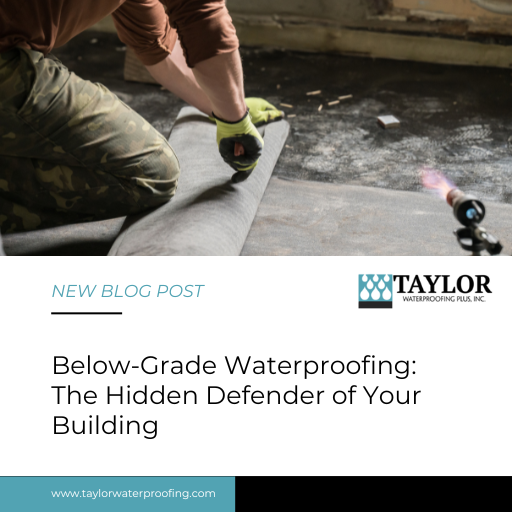
Below-Grade Waterproofing: The Hidden Defender of Your Building
Introduction
Many property owners focus on visible signs of water damage—stains, mold, or cracks—but the most serious threats often originate below ground. Below-grade waterproofing solutions protect against groundwater intrusion, soil pressure, and foundation deterioration before problems appear above the surface. In Houston, with its high water tables and shifting soils, these systems are essential to safeguarding any structure.
What is Below-Grade Waterproofing?
Below-grade waterproofing refers to techniques used to shield parts of a building that sit beneath the surface, including basements, crawl spaces, parking garages, and foundation walls. Soil naturally holds water, which can seep into a building if foundations aren’t properly sealed or insulated. Without protection, even minor seepage can lead to major structural and health issues over time.
Common Below-Grade Challenges in Houston
Houston’s climate and soil conditions create unique challenges for below-grade structures:
- Hydrostatic pressure from rising groundwater
- Poorly compacted backfill, which channels water toward foundations
- Inadequate drainage systems
- Aging or missing waterproofing membranes
These conditions make professional below-grade waterproofing an essential investment for long-term building stability.
Types of Below-Grade Waterproofing Solutions
Modern waterproofing solutions are tailored to meet the needs of different structures:
- Sheet membranes: Durable barriers applied to exterior walls to block water entry.
- Liquid-applied membranes: Seamless, flexible coatings that adapt to irregular surfaces.
- Drainage boards: Redirect water away from foundation walls to prevent buildup.
- Interior sealants: Secondary protection for extreme moisture conditions.
Benefits Beyond the Basement
A properly waterproofed foundation impacts the entire building:
- Reduces wall cracking and structural stress
- Prevents mold and mildew growth
- Enhances HVAC efficiency
- Improves air quality and occupant comfort
How It Works with Other Preservation Services
Below-grade waterproofing is most effective when integrated with masonry repair and sealant systems. For older or historic buildings, this combination prevents rising moisture from damaging upper walls, floors, and finishes, creating a full-spectrum defense against water intrusion.
Conclusion
While below-grade waterproofing operates out of sight, its role is vital. Houston’s weather and soil conditions demand strong, proactive foundation protection for both modern and historic properties. From high-rises and schools to heritage landmarks, investing in these solutions ensures the structures above remain safe, stable, and dry.
Protect your building from the ground up—contact Taylor Waterproofing today to learn about comprehensive below-grade solutions.
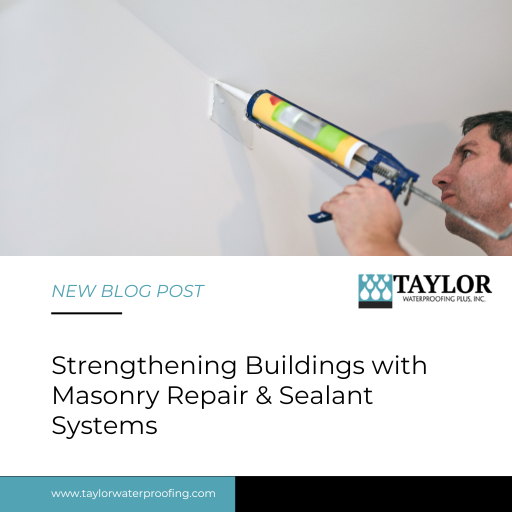
Strengthening Buildings with Masonry Repair & Sealant Systems
Introduction
Brick, stone, and masonry give buildings their timeless strength and appeal. But even the most solid walls eventually show signs of wear. Years of harsh weather—rain, heat, and seasonal temperature changes—create cracks, gaps, and surface erosion. That’s why masonry repair and sealant systems are essential. They don’t just bring back curb appeal—they guard against moisture infiltration and protect the structure for the long term.
What Causes Masonry to Break Down?
Masonry isn’t indestructible. With age and exposure, certain factors accelerate deterioration:
- Materials losing flexibility as they age
- Incompatible products used in earlier repairs
- Expansion and contraction stressing the joints
- Groundwater seeping through the foundation
- Flashing systems wearing out over time
Without intervention, these small problems worsen, allowing water to penetrate and compromise the building’s envelope.
What Masonry Repair & Sealant Systems Provide
Comprehensive repair goes well beyond filling in cracks. The goal is to strengthen and seal the building in ways that extend its life. Typical services include:
- Repointing joints with mortar designed to match the original composition
- Sealing control joints to reduce the risk of expansion cracks
- Repairing visible fractures with high-performance fillers
- Applying protective sealants to block air and water intrusion
- Using elastomeric coatings that flex with the surface while remaining breathable
Tackling Water at the Foundation
Many masonry issues begin underground, where water pressure pushes against foundation walls. To prevent these hidden threats, experts often combine masonry work with below-grade waterproofing—solutions like drainage panels or sheet membranes that redirect water away before it can reach the structure.
Case in Point: A Houston Municipal Property
One municipal facility in Houston faced serious basement flooding and stone deterioration. The solution involved a two-part strategy: reinforcing the vertical walls with masonry repair and sealant systems, and installing below-grade waterproofing around the foundation. This integrated approach kept the structure dry and stable, protecting both its appearance and integrity.
Special Care for Historic Masonry
Older buildings require extra caution. Using the wrong materials can cause lasting damage—for example, Portland cement on historic brick or stone often leads to cracking. Instead, preservation calls for lime-based mortars and breathable sealants that let moisture escape while keeping water out. For historic properties, this tailored method of waterproofing in Houston is a vital part of keeping the city’s heritage intact.
Conclusion
Masonry repair and sealant systems are a powerful combination of protection and preservation. They reinforce the structure, improve resilience, and help prevent costly damage caused by moisture. Whether it’s a commercial complex, a civic building, or a historic landmark, pairing these services with below-grade waterproofing creates long-lasting defense. With expert care, Houston properties can remain strong and secure for decades to come.