

Benefits of Elastomeric Coatings
Coatings are an important part of waterproofing a commercial building. Water infiltration causes costly damage and degrades your building’s materials. Applying coatings helps to ensure that your building is protected. Extending the lifespan of your building is just one of the many benefits of elastomeric coatings.
What are Elastomeric Coatings?
Elastomeric means that a material or item has elastic or rubber-like properties. Elastomeric coatings are flexible coatings that create a continuous, seamless barrier on the surface of the material you’re applying it to. These coatings are acrylic, silicone, urethane, or polyurethane based, depending on the application.
Benefits of Elastomeric Coatings for Commercial Buildings
Creates a Flexible Waterproof Barrier
Buildings expand and contract over time and with temperature changes. Elastomeric coatings move with the building. Because of these coatings’ elasticity, they can stretch over 300% of their original length without tearing or cracking.
Protects Against UV Damage and Corrosion
The benefits of elastomeric coatings go beyond just protecting against water intrusion. They protect against the multiple causes of water infiltration. UV exposure and strong storms can degrade and break down your building’s materials. These coatings are UV and weather resistant.
Improves Your Building’s Energy Efficiency
Air loss can be a major factor that’s driving up your energy cost. Air can leak out of cracks and gaps. These coatings seal these cracks and prevent air loss. For exterior applications, white coatings can be used to reflect UV rays to help lower how much heat your building absorbs.
Comes in Different Options to Fit Your Building’s Needs
There are many different colors and finishes to fit the look you’re trying to achieve. While white and lighter colors are often used to reflect UV rays, there are many colors to choose from. For finishes, you can choose from matte, satin, or textured.
Elastomeric Coatings Applications
Acrylic – These types of coatings are durable and highly UV resistant.
Great for: Masonry and Concrete Walls
Silicone: Most commonly used in areas with high rainfall or areas with a lot of standing water.
Great for: Above-Grade Waterproofing and Exterior Walls
Urethane: This type of elastomeric coating offers excellent chemical resistance.
Great for: Parking Garages and Industrial Applications
Polyurethane: These coatings create a strong, resilient barrier that is highly flexible.
Great for: Expansion Joints and Concrete Decks
The benefits of elastomeric coatings, like UV resistance, increased energy efficiency, and extending the life of your building, protect your investment and lower your maintenance costs. Contact us through our website here to learn more about our waterproofing services, or check out our blog here to learn more about our services.

Waterproofing Services for Historical Buildings
When working on historical buildings, preservation is key. The goal of waterproofing services for historical buildings is to protect the building without changing the look and feel of the building. At Taylor Waterproofing, we maintain the appearance of the building while protecting its history.
Why It’s Important to Waterproof Historical Buildings
Because historical buildings are often older, they can be more susceptible to water damage. Water intrusion can cause the building’s materials to degrade and corrode. This can lead to structural issues and irreversible damage. Waterproofing the building can prevent these issues before they begin, in turn preventing loss of historically significant features and costly repairs.
Common Issues for Historical Buildings
When it comes to repairing and waterproofing historical buildings, there are unique challenges you have to take into account. Many of these buildings were built before modern construction techniques and materials, so it’s important to understand how to apply waterproofing solutions properly to preserve the structure.
Things to consider when waterproofing a historical building:
- Aging materials
- Historical Guidelines
- Preserving History / Minimally Invasive Solutions
- Types of Exposure
- Lack of Modern Systems
Our Waterproofing Services for Historical Buildings
Exterior Wall Coatings – These coatings are applied to the exterior walls with rollers like paint. They create a continuous seamless layer that protects the wall from water infiltration. Exterior wall coatings also help the wall from cracking or chipping. These can be applied to concrete, brick, stone, or other masonry surfaces. These coatings come in many colors, styles, and finishes so you can get the exact look you’re wanting.
Masonry Repairs – If your building already has brick or stone damage, our team can make those repairs before adding a wall coating. This includes cracks, discoloration, chipping, corrosion, and efflorescence.
Below-Grading Waterproofing (Negative Side) – Water in the soil, especially after a heavy rain, can penetrate your foundation’s concrete, leading to water damage, corrosion, cracks, and structural damage. A waterproof membrane can be applied to the foundation to help mitigate and prevent this damage.
Deck Coating – These are durable coatings that create a protective layer on commercial decks. They can be applied to parking decks, patios, walkways, and concrete decks. There are many different kinds of deck coatings to meet your goals and desired look.
Structural Concrete Repair – Overtime, concrete can crack and chip. This can be caused by various reasons such as water damage or high foot traffic. Our team can repair the damage by patching and overlaying or chemical grout injections.
Waterproofing a historical building is how you preserve the history and integrity of the building. Contact us through our website here to learn more about our waterproofing services for historical buildings, or check out our blog here to learn more about our services.
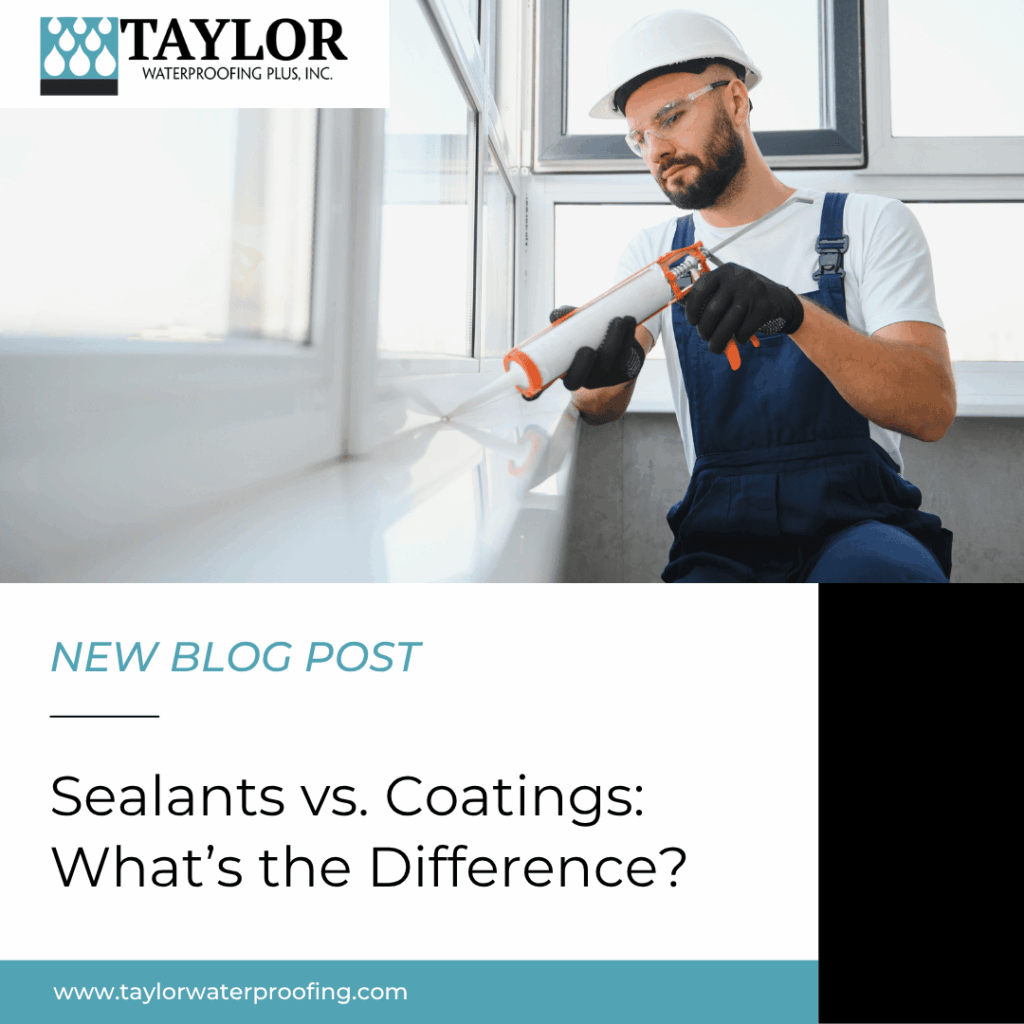
Sealants vs. Coatings: What’s the Difference?
Sealants and coatings are used to protect commercial buildings from water infiltration. Although many people use these terms interchangeably, there are key differences when it comes to sealants vs. coatings.
What are Sealants?
Sealants are often polyurethane, silicone, acrylic, or a hybrid of these. Once applied, sealants remain flexible and move with the expansion and contraction of the building. They are often used to seal expansion joints, roofs, cracks in concrete, and around windows and door frames. Sealants contribute to the energy efficiency of the building because they seal gaps and reduce air loss.
What are Coatings?
Coatings are fluid-applied and are often used on large areas, such as parking decks and exterior walls. Coatings create a large, seamless waterproofed membrane that acts as a protective layer. They are made from acrylic, silicone, or polyurethane. They are applied with rollers or brushes or sprayed over the surface.
What are the Similarities Between Sealants vs. Coatings?
Surface Preparation: Without a clean, dry surface, a sealant or a coating will not adhere properly.
Purpose: Both sealants and coatings are used to provide waterproof protection and work together to waterproof the building envelope.
Variety of Options: There are many options of both sealants and coatings that are formulated for different applications.
What are the Differences Between Sealants vs. Coatings?
Function: Coatings are used to cover a large surface area, such as a concrete deck, while sealant coverage is more localized, such as caulking around a window frame.
Replacement Method: When it is time to replace a sealant, old sealant needs to be removed. Oftentimes you can apply an additional layer of coating on the existing coating.
Lifespan: The lifespan of a sealant or coating depends on many factors, but typically sealants last 5 to 10 years, while coatings will need recoating every 10 to 15 years.
While there are some differences and similarities between sealants vs. coatings, both play a vital role in protecting commercial buildings from water intrusion and water damage. For the best results, it’s important to hire a professional waterproofing company that understands what product and installation technique will work best for your application.
Contact us today through our website here or call 713-699-4777 to talk to one of our waterproofing experts about your building’s sealant and coating needs.
Check out our blog here to learn more about the services we offer.
Summer Commercial Waterproofing Essentials
Between the high humidity, frequent storms, and extreme heat, the summer can be brutal and take its toll on your waterproofing systems. Now is the time to get prepared and make sure your building is ready for the rising temperatures and increased rainfall. Ensuring your building is equipped with these summer commercial waterproofing essentials will prevent damage and protect your investment.
Why Commercial Waterproofing is Important During the Summer
High Heat and UV Rays – While the sealants and coatings we use are resistant to UV rays, all sealants and coatings do eventually degrade. If you have older sealants or waterproofing systems in place, it might be time to replace them. UV rays can cause sealants and coatings to dry out and crack. You can especially see this around windows and external wall joints. This can lead to leaks and water infiltration.
Heavy Rainfall and Thunderstorms – With heavy rainfall comes the risk of leaks and waterproofing systems failing. Strong winds and debris from storms and hurricanes can damage these systems and compromise your building materials. Blocked and poor drainage systems can lead to an excess amount of water pooling around the foundation, walkways, or other concrete components. This can cause the concrete to crack or crumble.
High Humidity – When moisture sits on building materials for an extended period, it can lead to those materials breaking down and deteriorating. This is especially true for drywall and insulation. High humidity can lead to condensation and excess moisture in and around your building. This can cause metal components to corrode and accelerate the degradation of waterproofing membranes.
Key Components for Summer Commercial Waterproofing
Maintenance and Observations – The number one way to prevent water damage and intrusion is to have a professional check over your waterproofing systems. During these observations, our team will check sealants and coatings to ensure they are not peeling or cracked.
UV-Resistant Sealants and Coatings – Our team uses top-performing and high-quality sealants and coatings, so your building is fully protected. These coatings and sealants are UV-resistant and heat-tolerant, so they are perfect for Houston’s climate.
Expansion Joints – Expansion joints allow the building to expand and contract without causing structural damage. These are often found in concrete slabs, parking garages, and exterior walls. Without proper waterproofing, these can become a point of water intrusion. They need to be sealed with a flexible material that can stand up to high temperatures, UV rays, and high humidity.
Windows and Doors – Around the perimeter of windows and doors, where the panes meet the glass, can be a point of vulnerability. With higher levels of rainfall and storms in the summer, any cracks or gaps in the waterproof membrane can lead to leaks and significant damage. This can also be a point of air loss, making it harder for your HVAC system to maintain the cool interior temperature. If windows and doors are not properly sealed, you could see a rise in your energy bills.
Concrete Waterproofing – Concrete in parking garages, basements, walkways, decks, balconies, and walls is all at risk of water damage if not properly waterproofed. Water can seep into concrete, causing it to chip and corrode. A liquid waterproof membrane is applied to the surface of the concrete and creates a water-resistant barrier.
Contact us today through our website here or call 713-699-4777 to talk to one of our waterproofing experts about your building’s waterproofing needs.
Check out our blog here to learn more about the services we offer.
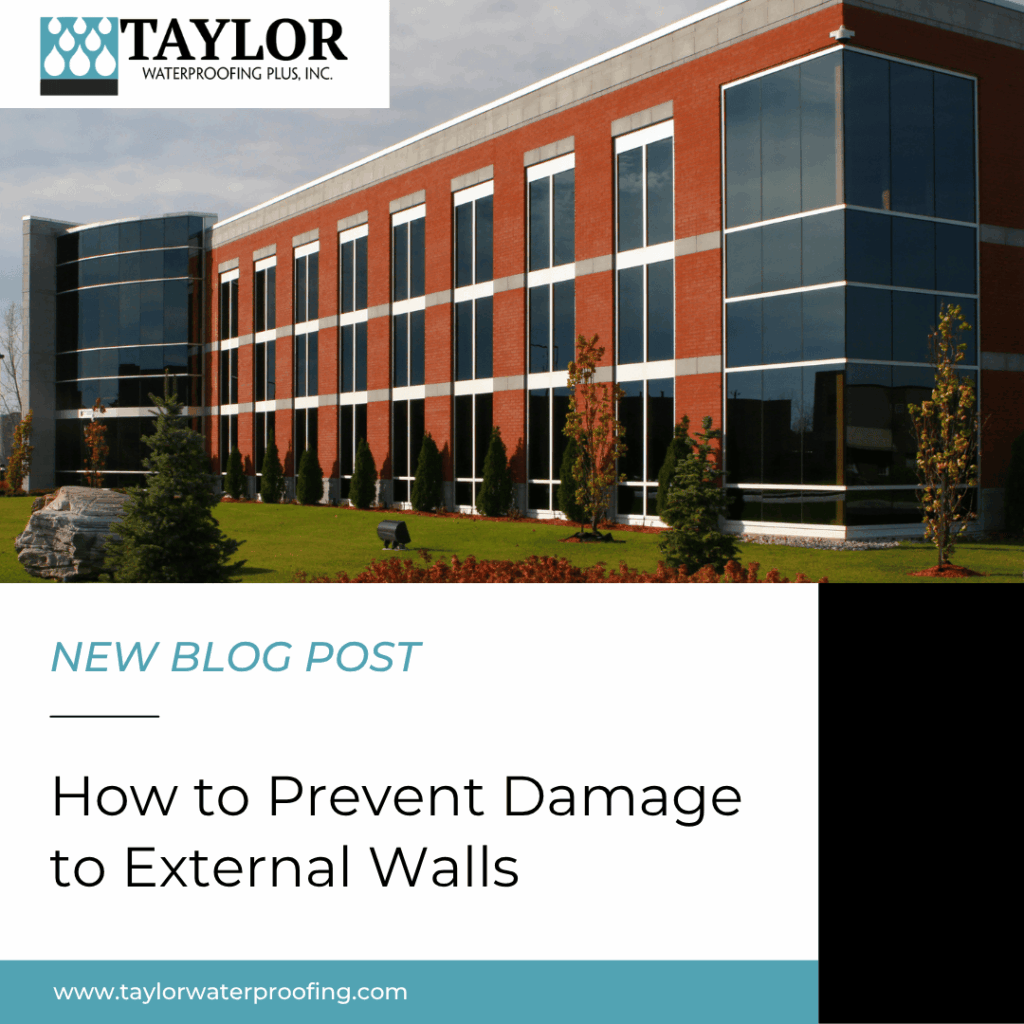
How to Prevent Damage to External Walls
External walls are your commercial building’s first line of defense against environmental factors and water damage. To prevent damage to external walls, you must ensure that the correct waterproofing measures are in place and that repairs are made promptly.
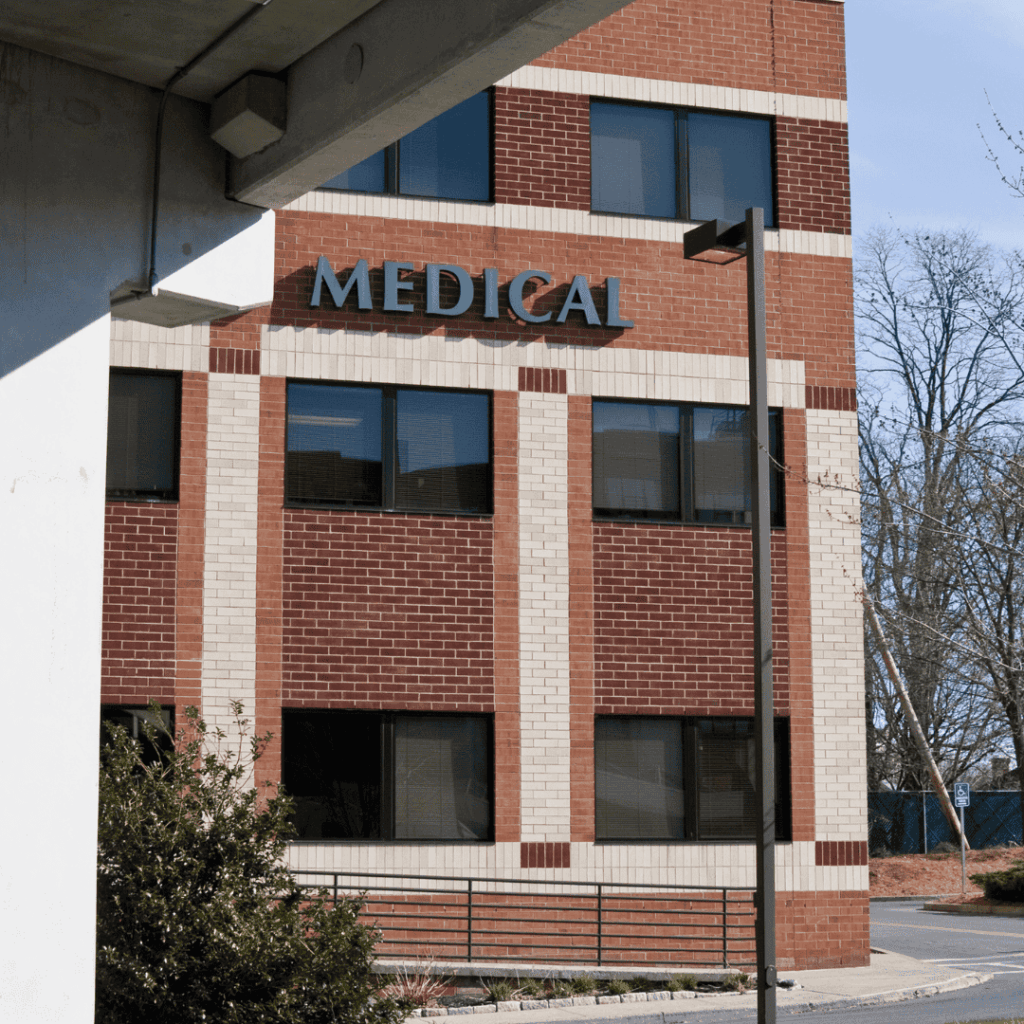
What Causes Damage to External Walls?
UV Rays – If the external walls are not properly protected with a UV-resistant coating or sealant, the UV rays can cause the wall to crack and become brittle. The UV rays can also fade and damage external paint.
Water Intrusion – Cracks that are not properly sealed can become a point of water intrusion. The water can seep into the building, damaging the interior materials and causing structural damage.
Debris Buildup – Over time, dirt and other debris can build up on the surface of your external walls. This can not only stain the walls, but also cause them to deteriorate.
Thermal Movement – It is natural for buildings to expand and contract with temperature changes, and as the building settles. If expansion joints are not correctly installed or fail, this can cause the wall to crack.
Signs of Water Damage to External Walls
- Cracks in the Surface of the Wall
- Cracks Around Windows and Doors
- Efflorescence (white, chalky deposits on concrete and brick)
- Peeling Paint
- Damaged Sealant or Coating
- Internal Leaks
- Unexplained Musty Odors Inside the Building
Waterproofing External Walls
Waterproofing Observations – When our team checks a commercial building for water damage, we look at external walls and expansion joints to ensure they are properly waterproofed. We will check the current waterproof membrane and assess if it is still in good condition or if it needs to be replaced. We will also check for cracks or gaps that could be a source of water intrusion.
UV-Resistant Sealants and Coatings – In climates like Houston, UV-resistant waterproofing systems for exterior use are a must. These sealants and coatings will prevent water infiltration, extend the life of the wall, and help maintain your building’s energy efficiency.
Seal Cracks – If our team sees any cracks or gaps during the observation, we will apply a flexible polyurethane or elastomeric sealant. This will prevent further damage from occurring.
Cleanings – Keeping the external walls clean not only enhances the appearance of the building, but also protects the wall as well. Depending on the type of cleaning, this can be done by waterblasting or soft washing. Waterblasting will also prepare the wall for a sealant or coating to be applied if needed.
Contact us today through our website here or call 713-699-4777 to talk to one of our waterproofing experts about your building’s waterproofing needs.
Check out our blog here to learn more about the services we offer.
Sealant Removal and Replacement
Sealants have many roles in commercial waterproofing. They are used to seal joints, gaps, concrete, windows, walls, and doors. Sealants protect against water infiltration, air loss, and corrosion. They are the first line of defense when it comes to protecting your building. Sealant removal and replacement are essential in maintaining a watertight building and preventing costly damage.
Why Sealants Need to be Replaced
UV Degradation – While many sealants protect against UV damage, the constant exposure can break down the sealants.
Building Movement – As a building moves and settles, the sealant is stretched and compressed. If stretched beyond its limits, it can lose elasticity.
Age of the Sealant – The lifespan depends on the type of sealant and the location, but sealants can last anywhere from 5 to 20 years.
Signs that it’s Time for a Sealant Removal and Replacement
To ensure your waterproofing systems are up-to-date and watertight, we recommend having your building checked at least once a year. While a professional will perform the sealant removal and replacement, there are some signs to look out for.
- Cracking or Splitting
- Gaps Between the Sealant and the Building Material
- Water Intrusion or Leaks
- Stains on Walls, Ceilings, or Floors
- Cracked or Chipped Concrete
Sealant Removal and Replacement Process
- Identify Failing Sealants and Plan: The first step is to identify the failing sealant and determine what sealant will replace it. Our team will look at what material it is being applied to, what elements the area is exposed to, and the desired color or look, and recommend the best sealant or coating for the job.
- Sealant Removal: There are a few ways to remove old sealant. The technique will depend on where the sealant is located, but it is often removed with utility knives, scrapers, or grinders. For outdoor applications where it is applicable, waterblasting may be used to remove the sealant.
- Clean the Surface: To ensure optimum adhesion, the surface must be thoroughly cleaned, and a primer is often applied.
- Apply the New Sealant: Common commercial sealants include silicone, polyurethane, and acrylic.
While sealants are great at protecting commercial buildings from water infiltration, sealant removal and replacement are inevitable. Even the most durable sealant will degrade with age. Having your waterproofing systems checked and updated will ensure your building is watertight.
Contact us today through our website here or call 713-699-4777 to talk to one of our waterproofing experts about your building’s waterproofing needs.
Check out our blog here to learn more about the services we offer.
Commercial Brick Waterproofing Services
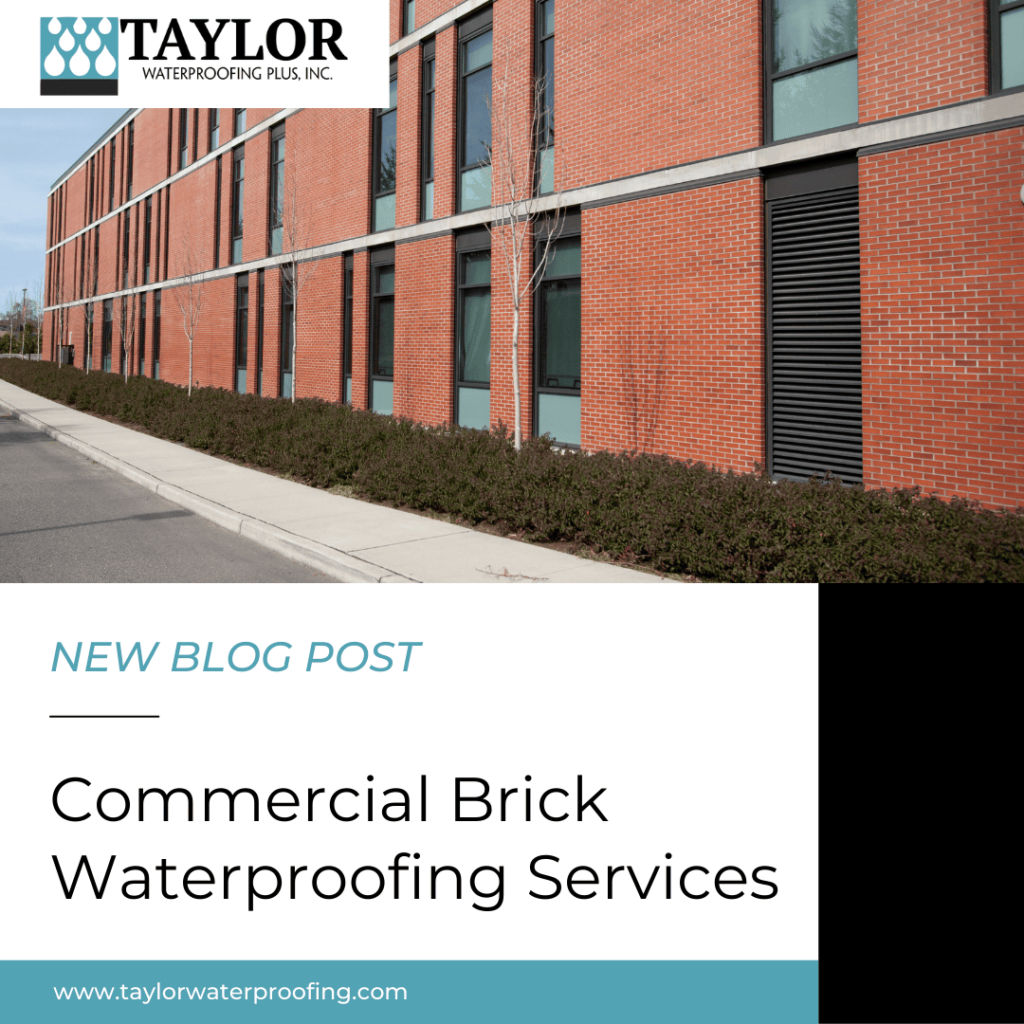
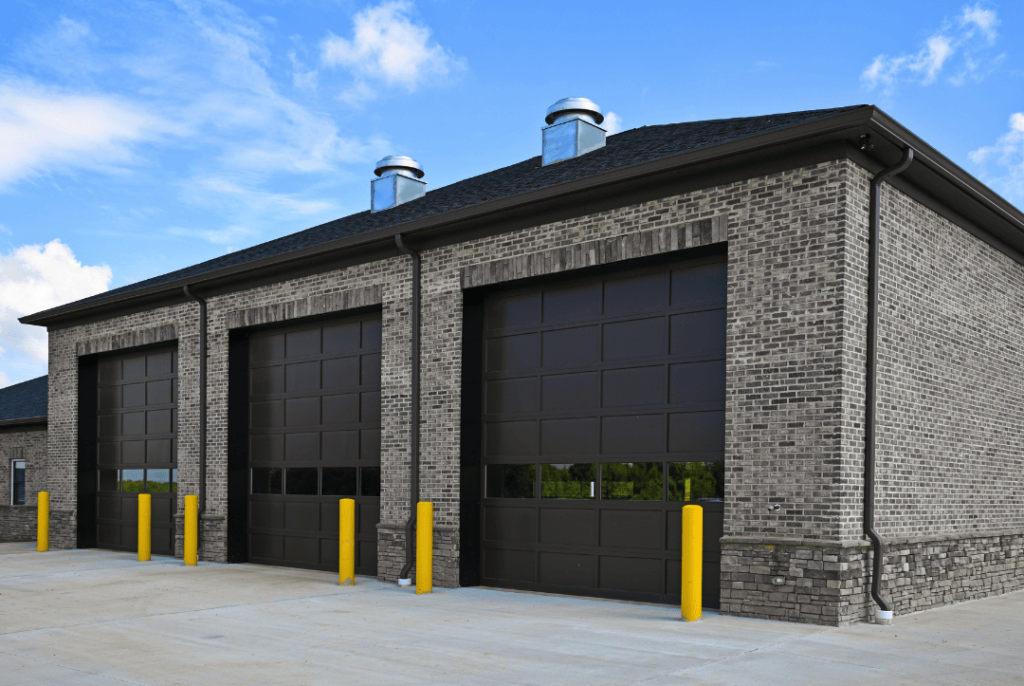
Brick is a durable building material, but it can deteriorate over time without waterproofing protection. Rain, humidity, and ice can cause damage to the brick. Commercial brick waterproofing services can protect the brick and preserve your building.
Why You Should Waterproof Commercial Brick
Without proper waterproofing measures in place, water can seep into the brick and mortar joints. This can cause the brick to crack and break. It can also cause spalling, where the surface of the brick flakes off, and efflorescence, when water intrusion leaves behind white salt deposits. Water infiltration can weaken the brick, leading to costly repairs and diminishing the appearance of your building.
Commercial Brick Waterproofing Services & Process
Cleaning: In order for the sealant or coating to properly adhere to the brick, the surface must be clean and debris-free. Our team will clean the brick and remove any dirt or old sealants.
Masonry Repair: If there are any cracks, gaps, or damaged mortar, it will be repaired before the sealant or coating is applied.
Applying Sealant or Coating: Depending on the type of sealant or coating and the location of the brick, it will be applied with sprayers, rollers, or brushes. We use many different types of sealers, from breathable, UV-resistant sealants and coatings for brick applications to siliconized products that create an impermeable exterior.
Curing: Sealants and coatings require time to dry and cure. Curing time will depend on the product used, anywhere from 24 to 72 hours. The brick and area will need to be blocked off during this time.
Sealants & Coatings for Waterproofing Brick
There are tons of different sealants, coatings, and application techniques for waterproofing brick. What is used on your brick will depend on the specifics of your building, but these are the ones that are most commonly used.
Siloxane Sealants: These sealants penetrate deep into the brick, chemically bonding in the brick’s pores. They are best used for exterior, vertical brick walls. Siloxane sealants maintain the natural appearance of brick and usually last 5 to 10 years.
Acrylic Coatings: These coatings enhance the color and appearance of brick by creating a glossy look. Acrylic coatings provide water resistance and are often used for indoor applications.
Elastomeric Coatings: These flexible coatings are great for applying over cracks to create a waterproof barrier. They are often used to seal aging and cracked brick and structures that need extra protection against rain.
Investing in commercial brick waterproofing services is a smart way to protect your property from the elements. By preventing water infiltration, you’re maintaining your building’s appearance and extending the life of the brick.
Contact us today through our website here or call 713-699-4777 to talk to one of our waterproofing experts about your building’s waterproofing needs.
Check out our blog here to learn more about the services we offer.
Why It’s Important to Waterproof Expansion Joints
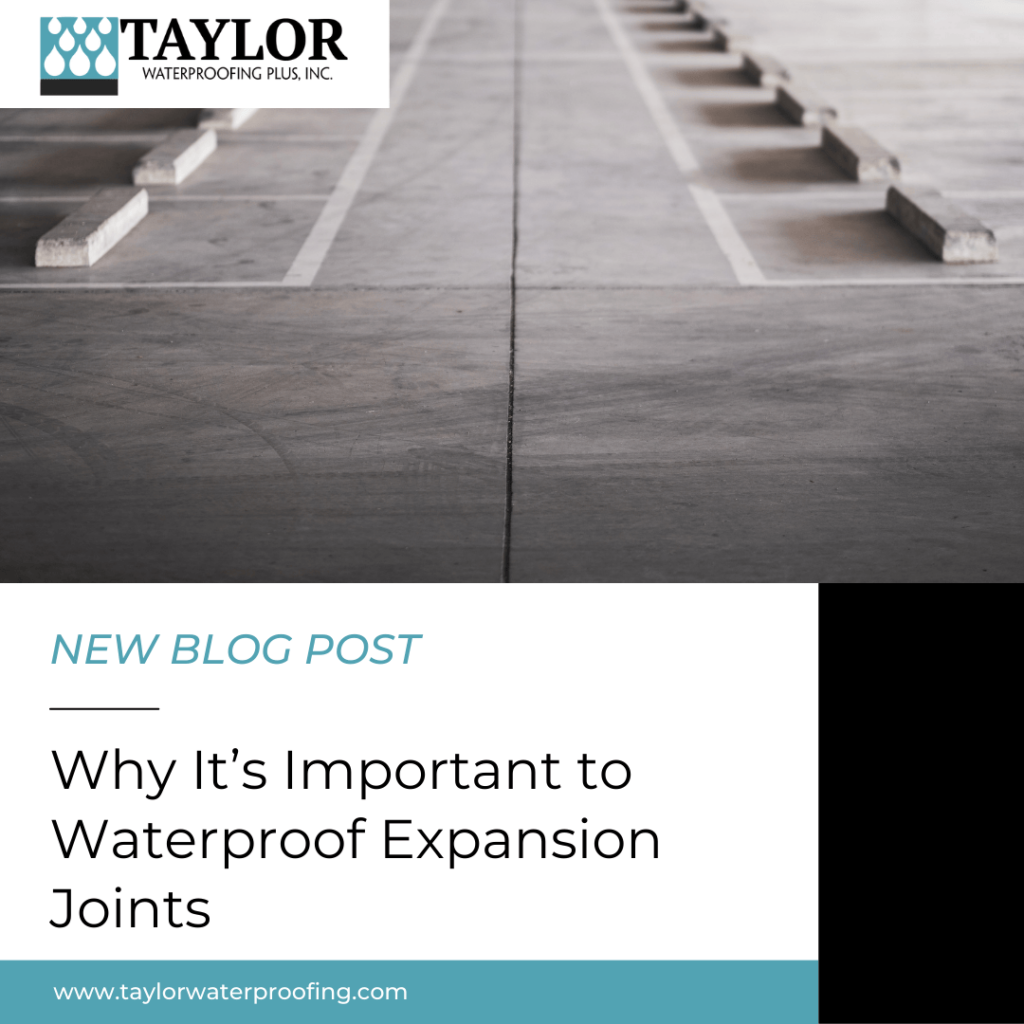
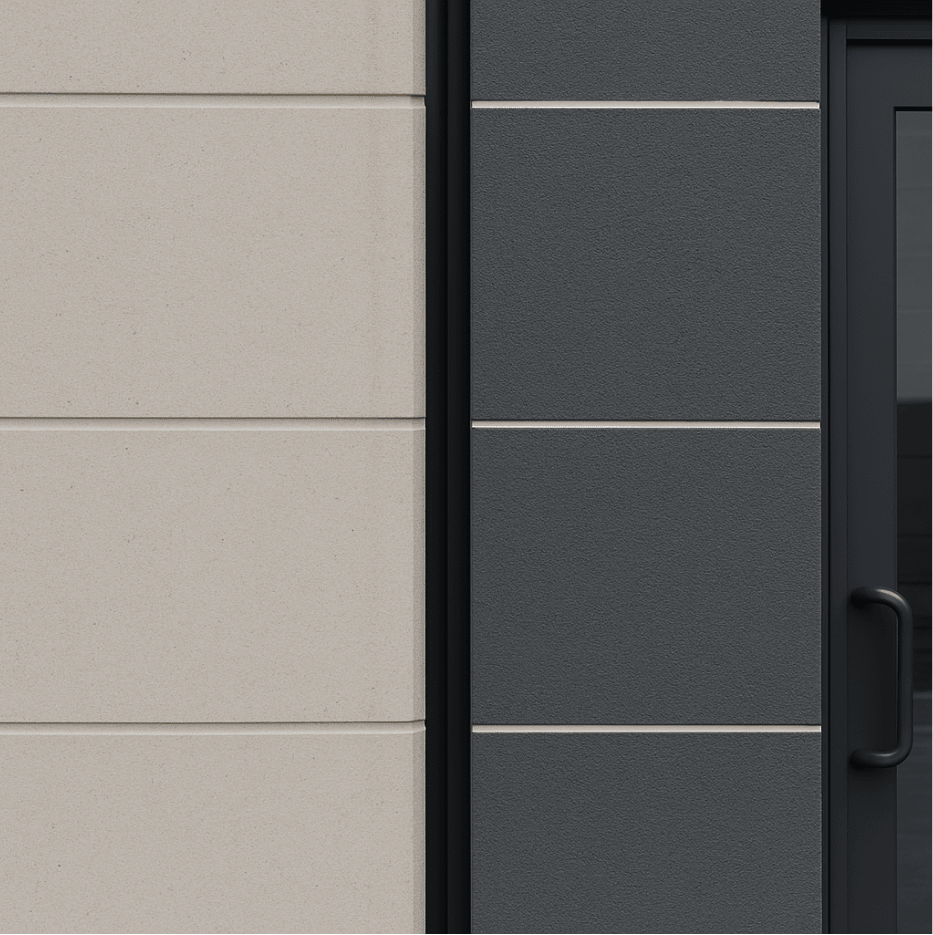
Expansion joints are essential for maintaining a commercial building’s structural integrity by allowing movement caused by temperature shifts and building settling. The joints are separations between the building sections, such as concrete slabs in a parking garage or between walls and floors. Without these joints, the concrete or walls could crack as the building expands and contracts. These joints are a critical area for waterproofing that often gets overlooked. To protect the commercial building from water intrusion and structural damage, it’s essential to waterproof expansion joints.
Benefits of Waterproofing Expansion Joints
Structural Integrity – Without waterproofing, water can seep into the joints and surrounding materials. This can lead to corrosion, warped and damaged materials, and overall weaken the building. If this leak isn’t repaired, it can lead to structural damage.
Reduce Repair Costs – When it comes to waterproofing, it’s important to be proactive. Waterproofing the joints will prevent damage from starting. This will greatly reduce repair and maintenance costs in the long term.
Extends the Life of the Building – The sealant used to waterproof expansion joints adds an extra layer of protection to the area. This seals out moisture and reduces wear and tear, extending the life of your building and keeping it looking better for longer.
Energy Efficiency – When you waterproof expansion joints, it not only protects against water intrusion but also air loss. If there are holes or gaps in the joints, the air from the interior of the building can leak out, causing your HVAC system to work hard to cool the building. This can cause a huge increase in energy costs. Waterproofing the joints prevents this and ensures your building stays energy efficient.
How We Waterproof Expansion Joints
Expansion joints are often waterproofed with polyurethane or elastomeric sealants. The sealant is applied to the area and then cured to create a seamless, flexible waterproof membrane. Expansion joints can also be waterproofed with pre-formed joint systems. These are often constructed from EPDM or rubber. The system is designed to expand and contract as the joint does. This method is often used in parking garages or other horizontal applications.
Expansion Joint Maintenance
Expansion joints should be checked by a professional for damage at least twice a year and after any major weather event, if external. If there is any cracking, joint separation, or bubbling in the sealant, repairs should be made. Expansion joint waterproofing systems usually last 10 to 15 years with proper maintenance.
Expansion joints are designed to allow for structural movement, but without proper waterproofing, they can become a point of water intrusion. This makes it critical to waterproof expansion joints with high-performing, quality sealants and systems.
Contact us today through our website here or call 713-699-4777 to talk to one of our waterproofing experts about your building’s waterproofing needs.
Check out our blog here to learn more about the services we offer.
Epoxy Flooring for Warehouses
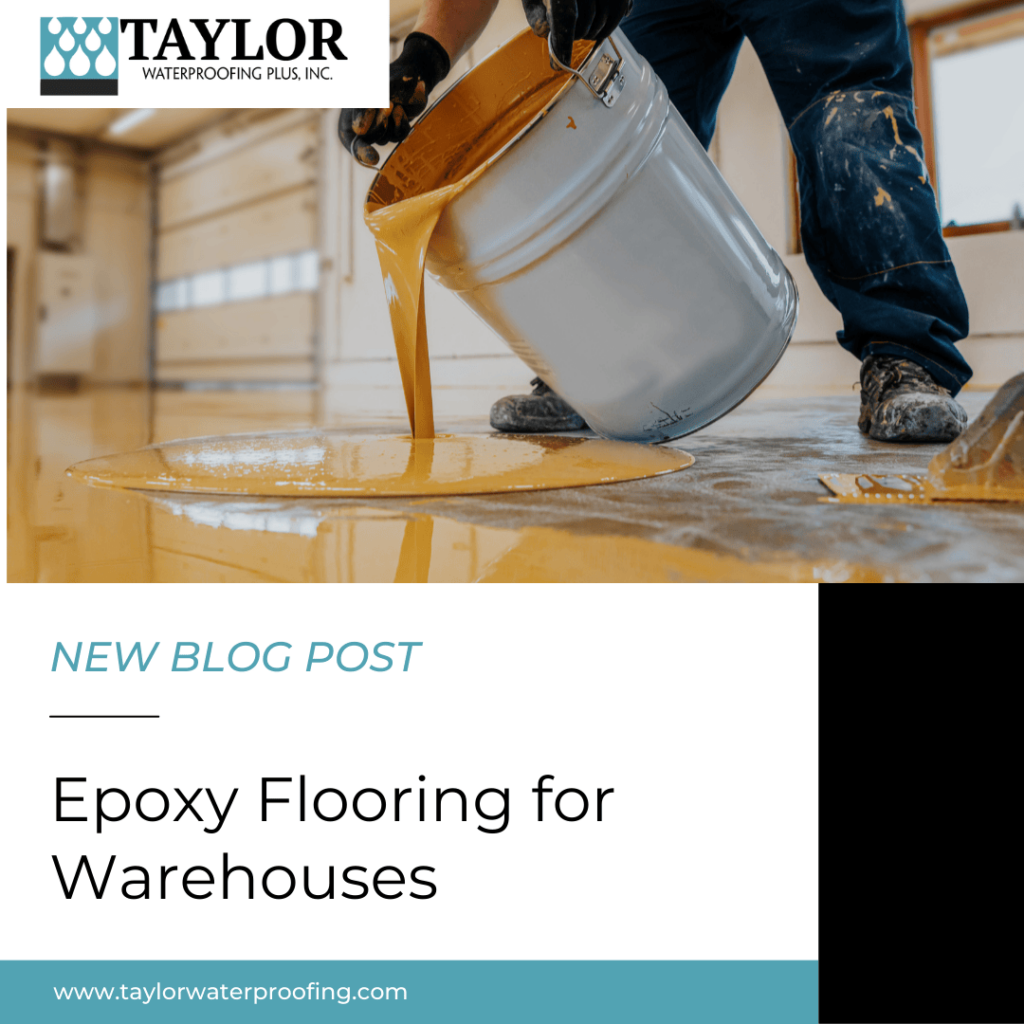
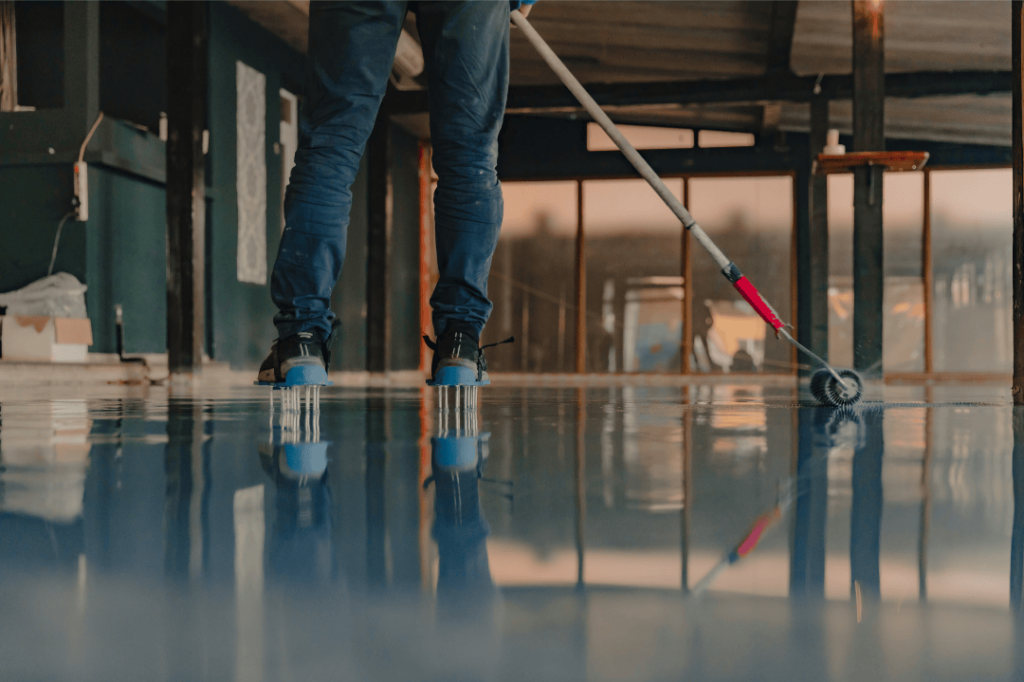
In warehouses, constant wear and tear from foot traffic, chemicals, and heavy machinery can take a toll on the floors. Epoxy flooring for warehouses protects against this damage and adds an extra layer of protection over the concrete. This flooring is a resin-based flooring system that is applied over concrete to create a seamless floor.
Epoxy flooring is a durable, long-lasting solution that extends the lifespan of your warehouse floors and prevents safety hazards.
Benefits of Epoxy Flooring for Warehouses
Durability
Epoxy flooring is a popular choice for industrial and commercial buildings because it is extremely durable and strong. It can withstand compressive pressures of more than 10,000 psi. Extra-strength epoxy formulas can withstand 25,000+ psi. This makes it stronger than concrete. It is highly abrasion and impact-resistant, meaning it can last a long time without getting scratches, cracks, or scuffs. With proper maintenance, epoxy flooring can last decades.
Chemical Resistant
Because epoxy creates a non-porous, seamless surface, it doesn’t absorb liquids and chemicals like untreated concrete would. Any chemicals stay on the surface, making it easier to clean. Epoxy is resistant to oils, grease, acids, solvents, bases, alcohol, and fuel.
Customizable
Epoxy is available in many colors and finishes. Work areas and safety zones can be marked using the different colors of epoxy. You can choose high-gloss or matte epoxy, depending on your preference, and logos or other decorative features can be incorporated.
Increases Safety
Anti-slip additives can be added to the epoxy to create a textured surface to help prevent falls. This is especially important in any areas that may become wet or have heavy foot traffic.
Epoxy Flooring Installation Process
Surface Prep – Our team will start by cleaning and repairing the current concrete floor. This ensures maximum adhesion.
Primer – The primer is a bonding agent that helps the epoxy adhere to the concrete.
Epoxy Application – We will apply multiple layers of epoxy to achieve the proper thickness and allow it to cure.
Top Coat – This final layer seals the epoxy. This is when we apply the anti-slip layer or any custom markings.
To learn more about epoxy flooring for warehouses, contact us through our website here or give us a call at 713-691-1430.
Check out our blog to learn more about our waterproofing services!
What Building Materials Can Be Waterproofed?
Water intrusion can be costly and cause extensive damage to your building. Failing to properly waterproof your building can lead to structural damage, odors, warped materials, and other issues. So, what building materials can actually be waterproofed? The answer: All of them! The waterproofing process for your building’s materials depends on the type of material and requires different techniques and supplies.
Concrete
Over time, water can seep into the pores in concrete. This can cause the concrete to crack and weaken. Water intrusion can also cause spalling, in which the surface of the concrete breaks and peels off, or efflorescence, which is a white salt deposit that leaves behind a chalky residue. Concrete can be waterproofed by applying a sealant or coating to the surface. For outdoor concrete that is used in a driveway or parking garage, penetrating sealants such as silane or siloxane are usually recommended. For concrete on the interior of your building, an acrylic, polyurethane, or epoxy sealant is usually used. Elastomeric coatings are often used for basements and foundations.
Steel & Metal
Without proper waterproofing, the metal and steel components in your building can rust and corrode, causing serious structural damage. Steel is often galvanized with a zinc coating to prevent rust. Silicone and polyurethane sealants can be used on metal joints and fasteners to prevent corrosion.
Brick
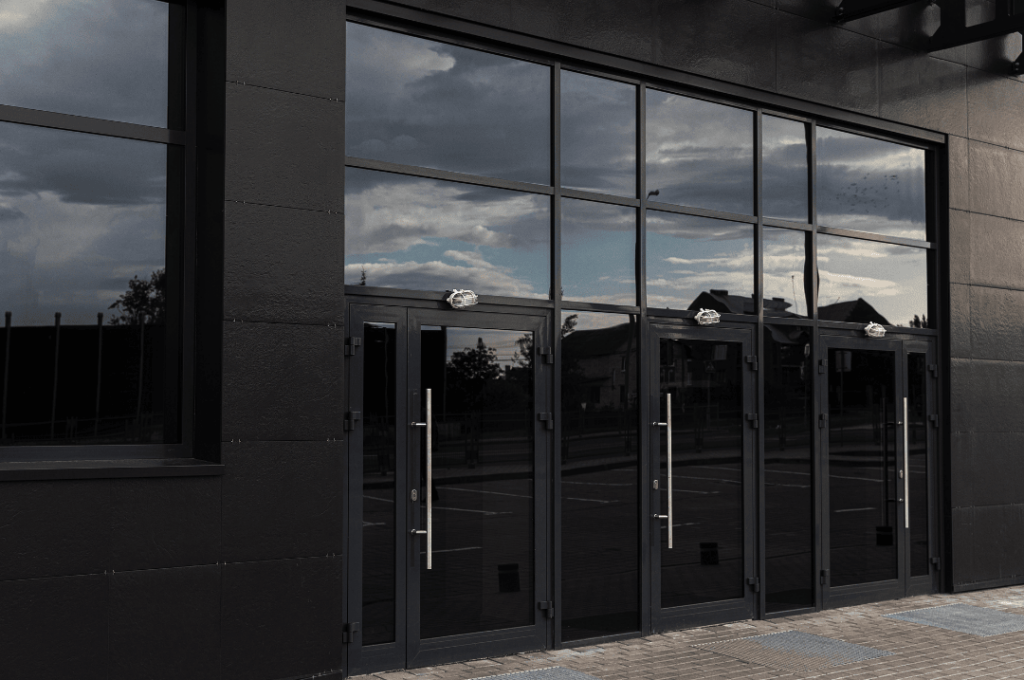
Brick and other masonry are building materials that can be porous and susceptible to water damage. Water can be absorbed into the brick, leading to freeze-thaw damage. Silane sealants are often used to create a water-repelling layer on brick walls. Siloxane sealants are often used for outdoor applications and penetrate the brick or masonry to create a long-term waterproof barrier.
No matter what you need waterproofed at your commercial property, our team of experts will ensure that your building materials are fully protected. Contact us through our website here or give us a call at 713-691-1430.
Check out our blog to learn more about our waterproofing services!