
Below-Grade Waterproofing: How Hydrostatic Pressure Affects Houston Commercial Properties
Introduction
Waterproofing conversations tend to concentrate on what can be seen from the outside of a building. Below-grade conditions receive less attention, in part because the systems involved are not visible and the symptoms often appear well after the exposure begins.
For commercial properties with basements, below-grade parking, elevator pits, mechanical rooms, or foundation walls in contact with soil, below-grade waterproofing is a meaningful part of building envelope performance. In the Houston area, local soil and groundwater conditions make it a topic worth understanding.
Why Below-Grade Exposure Behaves Differently
Above-grade waterproofing generally manages water that arrives, drains, and leaves. Below-grade waterproofing can face moisture that stays.
When soil surrounding a structure holds water, that water exerts pressure against below-grade surfaces. Unlike a rainfall event on a wall, this pressure can be sustained, and it acts on assemblies that cannot be inspected without access. Sustained contact places different demands on materials and detailing than intermittent wetting does.
Where Symptoms Typically Appear First
Below-grade moisture rarely announces itself as an obvious leak.
More common early observations include persistent dampness on interior faces of foundation walls, efflorescence or mineral deposits on concrete or masonry, elevated humidity in below-grade mechanical spaces, moisture at cold joints or construction joints, damp conditions around penetrations where utilities enter the structure, and water accumulating in elevator pits or sumps more often than it used to.
Individually these can look like housekeeping issues. Considered together, they describe how a below-grade assembly is performing.
Why Drainage and Waterproofing Work Together
Below-grade protection generally depends on two things working in combination: managing how much water reaches the structure, and managing what happens when it does.
Site drainage, grading, and subsurface drainage systems influence the volume of water that arrives. Waterproofing assemblies address contact at the structure itself. When facility teams evaluate one without the other, the conclusions can be incomplete.
Documenting Below-Grade Conditions
Because below-grade assemblies are not visible, documentation carries more weight than usual.
Useful records include where dampness appears and how it changes after rainfall, how frequently sumps or pits require attention, the condition of joints and penetrations in accessible areas, and any history of previous below-grade repairs. Over time this record shows whether conditions are stable or trending.
Conclusion
Below-grade waterproofing protects portions of a commercial property that owners and facility teams rarely see and cannot easily access. That is precisely why observed conditions deserve to be recorded rather than absorbed into routine maintenance.
For Houston commercial properties, understanding below-grade performance supports moisture control, protects mechanical and structural assets, and produces better information for long-term planning.
To discuss below-grade waterproofing conditions at your property, contact Taylor Waterproofing at 713-691-1430 or info@taylorwaterproofing.com.
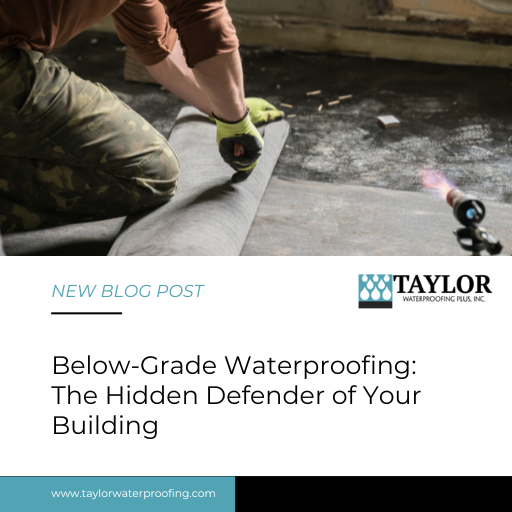
Below-Grade Waterproofing: The Hidden Defender of Your Building
Introduction
Many property owners focus on visible signs of water damage—stains, mold, or cracks—but the most serious threats often originate below ground. Below-grade waterproofing solutions protect against groundwater intrusion, soil pressure, and foundation deterioration before problems appear above the surface. In Houston, with its high water tables and shifting soils, these systems are essential to safeguarding any structure.
What is Below-Grade Waterproofing?
Below-grade waterproofing refers to techniques used to shield parts of a building that sit beneath the surface, including basements, crawl spaces, parking garages, and foundation walls. Soil naturally holds water, which can seep into a building if foundations aren’t properly sealed or insulated. Without protection, even minor seepage can lead to major structural and health issues over time.
Common Below-Grade Challenges in Houston
Houston’s climate and soil conditions create unique challenges for below-grade structures:
- Hydrostatic pressure from rising groundwater
- Poorly compacted backfill, which channels water toward foundations
- Inadequate drainage systems
- Aging or missing waterproofing membranes
These conditions make professional below-grade waterproofing an essential investment for long-term building stability.
Types of Below-Grade Waterproofing Solutions
Modern waterproofing solutions are tailored to meet the needs of different structures:
- Sheet membranes: Durable barriers applied to exterior walls to block water entry.
- Liquid-applied membranes: Seamless, flexible coatings that adapt to irregular surfaces.
- Drainage boards: Redirect water away from foundation walls to prevent buildup.
- Interior sealants: Secondary protection for extreme moisture conditions.
Benefits Beyond the Basement
A properly waterproofed foundation impacts the entire building:
- Reduces wall cracking and structural stress
- Prevents mold and mildew growth
- Enhances HVAC efficiency
- Improves air quality and occupant comfort
How It Works with Other Preservation Services
Below-grade waterproofing is most effective when integrated with masonry repair and sealant systems. For older or historic buildings, this combination prevents rising moisture from damaging upper walls, floors, and finishes, creating a full-spectrum defense against water intrusion.
Conclusion
While below-grade waterproofing operates out of sight, its role is vital. Houston’s weather and soil conditions demand strong, proactive foundation protection for both modern and historic properties. From high-rises and schools to heritage landmarks, investing in these solutions ensures the structures above remain safe, stable, and dry.
Protect your building from the ground up—contact Taylor Waterproofing today to learn about comprehensive below-grade solutions.